India’s External Affairs Minister Criticizes Nehru’s Policies for Kashmir and China’s Occupation
Ahmedabad, India – April 3, 2024
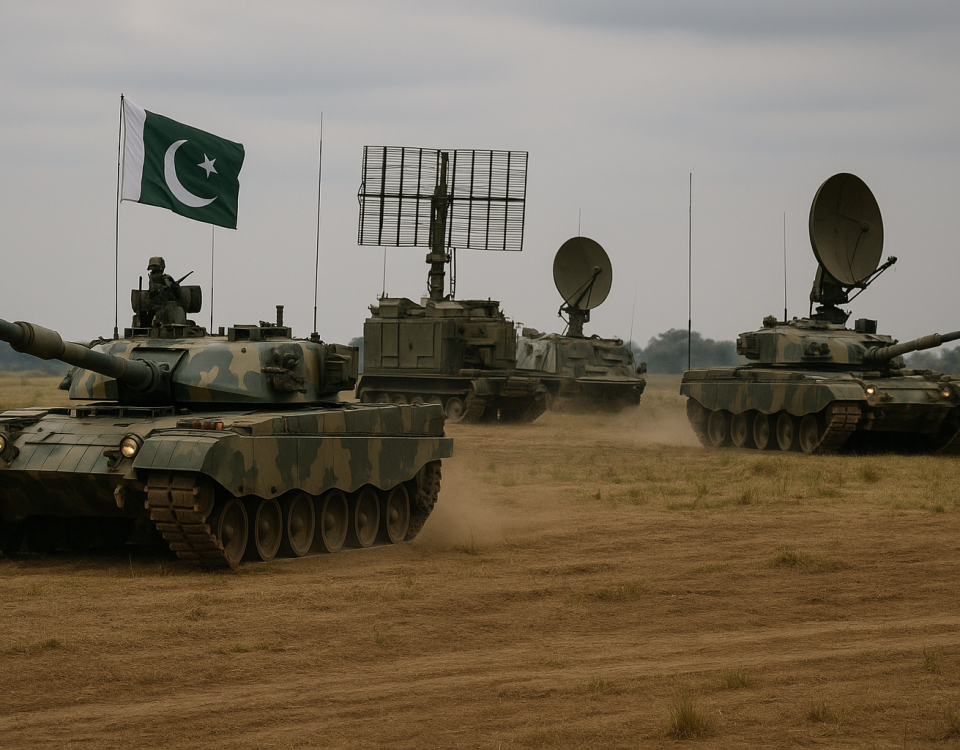
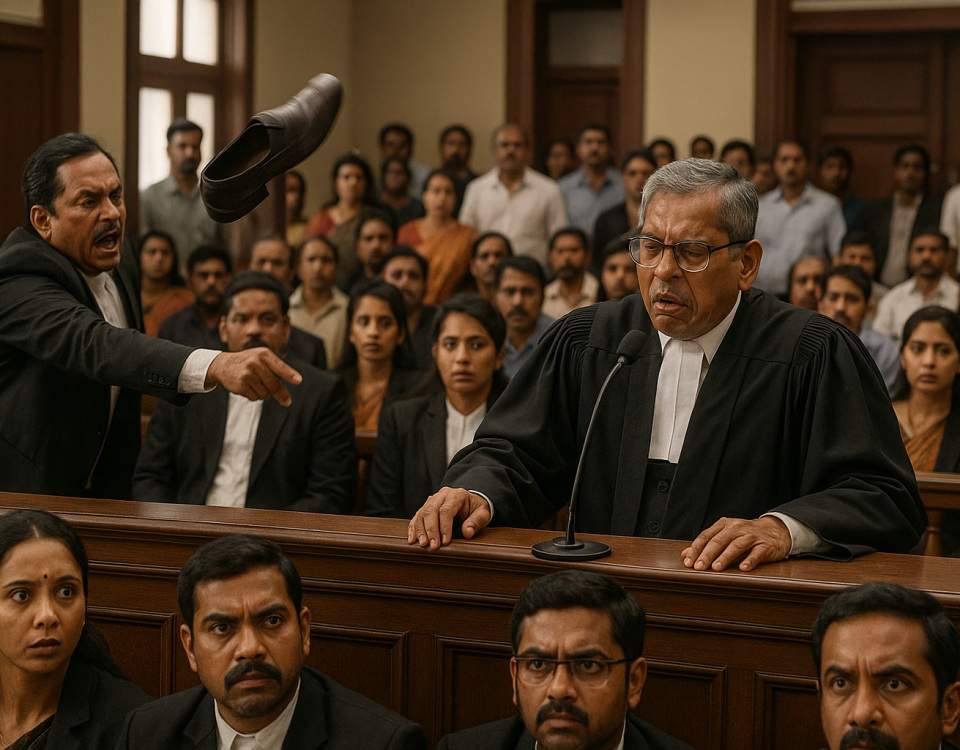
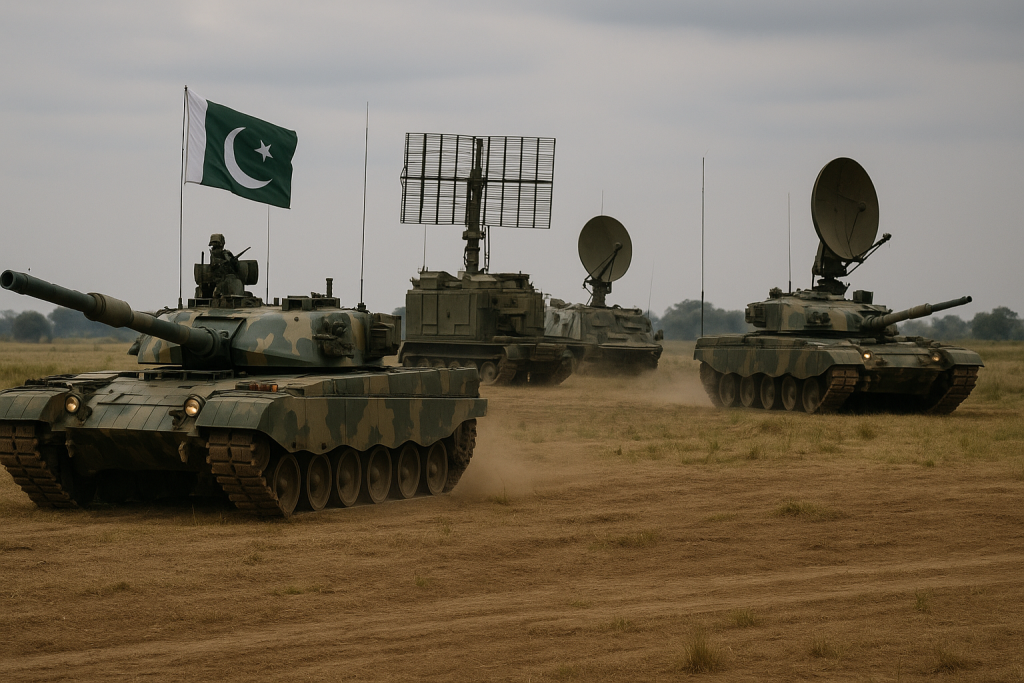
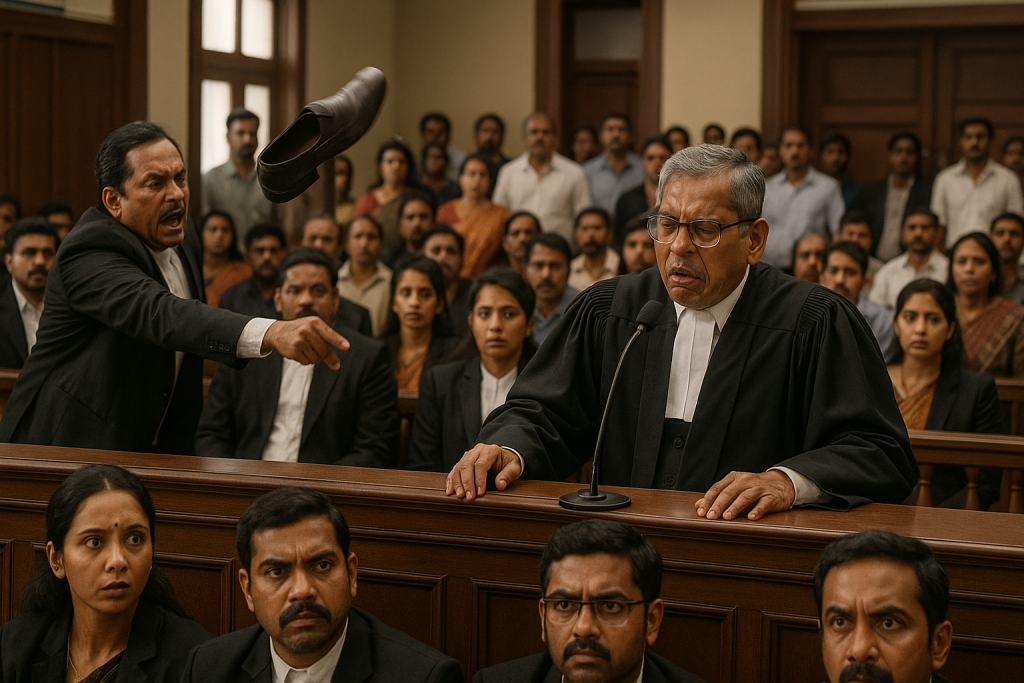
India’s External Affairs Minister, Mr. S Jaishankar, delivered a scathing critique of the policies of India’s first Prime Minister, Jawaharlal Nehru, asserting that Nehru’s mistakes had contributed to enduring challenges such as the Pakistan Occupied Kashmir (POK) issue and China’s occupation of Indian territory.
Addressing the Gujarat Chamber of Commerce and Industry in Ahmedabad, Jaishankar highlighted the warnings issued by then Home Minister Sardar Patel to Nehru regarding China’s intentions. Patel’s caution, Jaishankar recounted, emphasized the emerging threats on two fronts – Pakistan and China – a situation unprecedented in India’s history up to that point.
“Nehru’s dismissive attitude towards Patel’s concerns was a critical misstep,” Jaishankar emphasized, quoting Patel’s apprehensions about China’s ambitions and the need for precautionary measures. Despite Patel’s prescient warnings, Nehru maintained an optimistic view of China as a natural ally, dismissing suspicions and opting for cordial relations.
Jaishankar underscored Nehru’s prioritization of China’s interests over India’s during discussions about India’s bid for a United Nations seat. He noted Nehru’s insistence on advocating for China’s UN membership before pressing for India’s, highlighting a stark departure from the current ethos of ‘India first.’
Nehru’s approach towards China, Jaishankar continued, was underpinned by a vision of post-colonial camaraderie, exemplified by a trade agreement recognizing Tibet as an autonomous region of China. This overly-friendly stance, he argued, failed to elicit reciprocity from China, which accused India of meddling in Tibet while clandestinely preparing for an armed conflict.
The consequences of Nehru’s policies, according to Jaishankar, became evident during the 1962 Sino-Indian War, where China launched an aggressive assault on India, inflicting a humiliating defeat and solidifying its occupation of Aksai Chin, a region belonging to India’s Union Territory of Ladakh.
Jaishankar’s remarks reflect a reevaluation of Nehru’s foreign policies, highlighting their role in shaping enduring geopolitical challenges for India. As India navigates complex regional dynamics, Jaishankar’s critique underscores the importance of learning from historical missteps in crafting contemporary foreign policy strategies.
***