China Seeks Patrolling Access in Indian-Controlled Arunachal Amid Eastern Ladakh Talks: Report
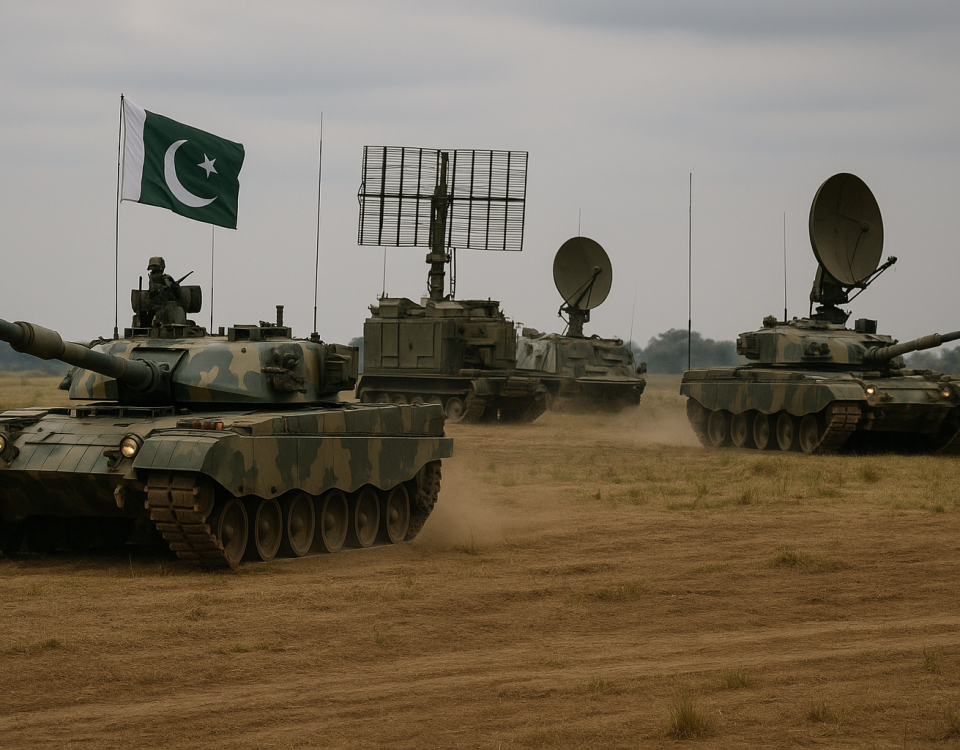
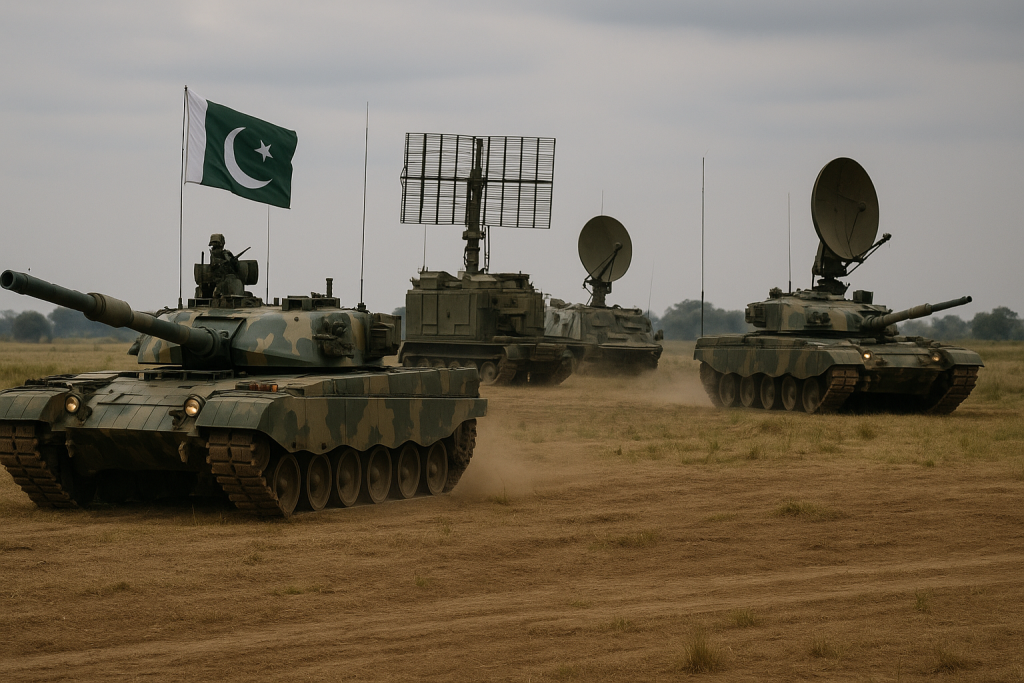
China has been demanding patrolling rights in two Indian-held areas of Arunachal Pradesh during ongoing negotiations over the eastern Ladakh border dispute, according to a report by The Tribune on Sep 28. This development is part of China’s broader strategy to create a situation similar to eastern Ladakh in Arunachal Pradesh, aimed at restricting India’s patrols in its own territory along the Tibet border.
The two areas in question are in the Yangtse region, northeast of Tawang, and the Subansiri River Valley in central Arunachal Pradesh. Both have been under Indian control for decades, but China has persistently sought access over the past four years during 21 rounds of talks on the Line of Actual Control (LAC) dispute in eastern Ladakh.
The tension in Yangtse escalated in Dec 2022 when Chinese and Indian troops clashed, resulting in casualties on both sides. The other spot, the Subansiri River Valley, has also witnessed face-offs between the two armies in the past.
Indian government sources, speaking anonymously to The Tribune, called China’s demands “unreasonable” and “devoid of logic,” stressing that these areas have long been under Indian control. The sources noted that the last Indian patrol in the disputed zones in eastern Ladakh—patrolling points (PP) 10, 11, 12, and 13—took place in January 2020. Since then, Chinese troops have blocked Indian soldiers from accessing these areas, originating from a geographical feature known as “the bottleneck” on the Depsang plateau.
The Indian government has made it clear that China’s demands in Arunachal Pradesh are not part of any “quid pro quo.” In contrast, the patrolling dispute in eastern Ladakh began after China’s incursions in April 2020, leading to a prolonged military standoff between the two nations.
During a speech in New York on Sep 24, India’s External Affairs Minister, S. Jaishankar, highlighted the ongoing issues in eastern Ladakh, particularly the loss of access to key patrolling areas following the 2020 Chinese incursion. “The main issue right now is the patrolling,” Jaishankar said, describing the India-China relationship as “significantly disturbed” due to these tensions.
Indian military sources confirmed that Chinese troops have blocked access to PP 10, 11, 12, and 13 since April 2020, although India had regularly patrolled these areas before the Chinese incursions.
In December 2022, China attempted to replicate the Ladakh situation in Arunachal Pradesh, leading to a clash between Indian and Chinese troops in the Yangtse area. Indian Defence Minister Rajnath Singh informed Parliament that Chinese forces tried to “transgress the LAC in the Yangtse area of the Tawang sector and unilaterally change the status quo.” Despite these efforts, India has maintained firm control over key vantage points in the region.
The report also noted that India has proposed a three-step process to resolve the eastern Ladakh issue: disengagement, de-escalation, and de-induction. This would involve troops from both sides returning to their positions as of April 2020, with the goal of restoring peace and stability along the LAC.
***