Via: Tibetan Review

Bhutan’s stand that the ‘Chinese have always been on their side of the territory’ might be a problem to India
The potential impact of Bhutan’s stance that the Chinese have consistently remained within their own territory could present a challenge for India. Bhutan has expressed renewed optimism regarding a prompt resolution with China concerning the occupied-Tibet border, which raises concerns about its implications for India, particularly in the strategically sensitive Doklam tri-junction area.
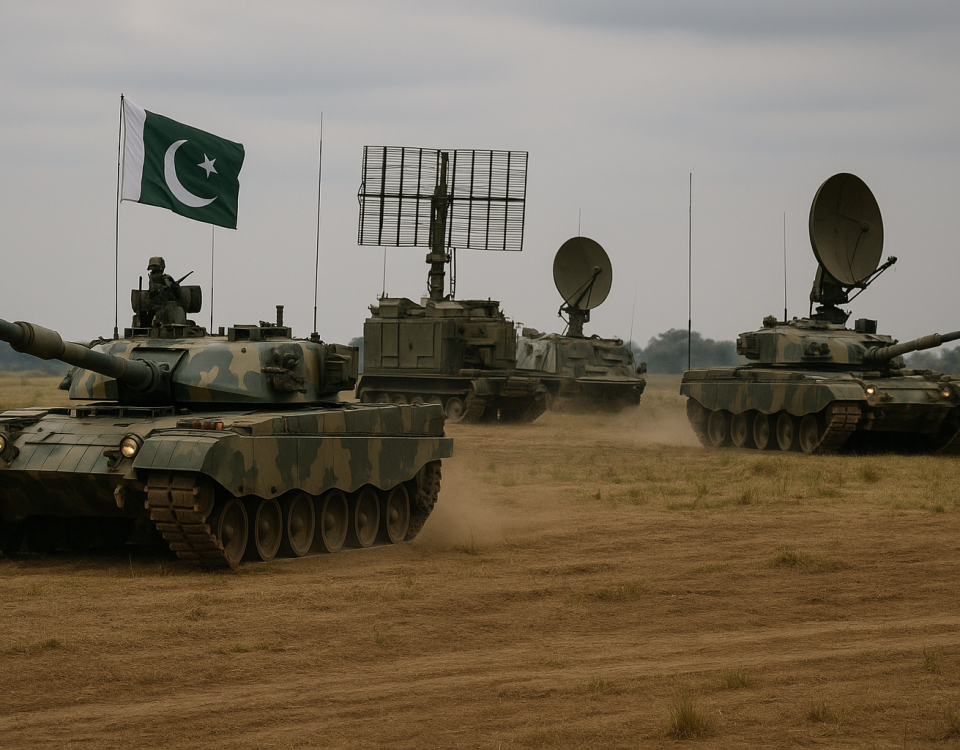
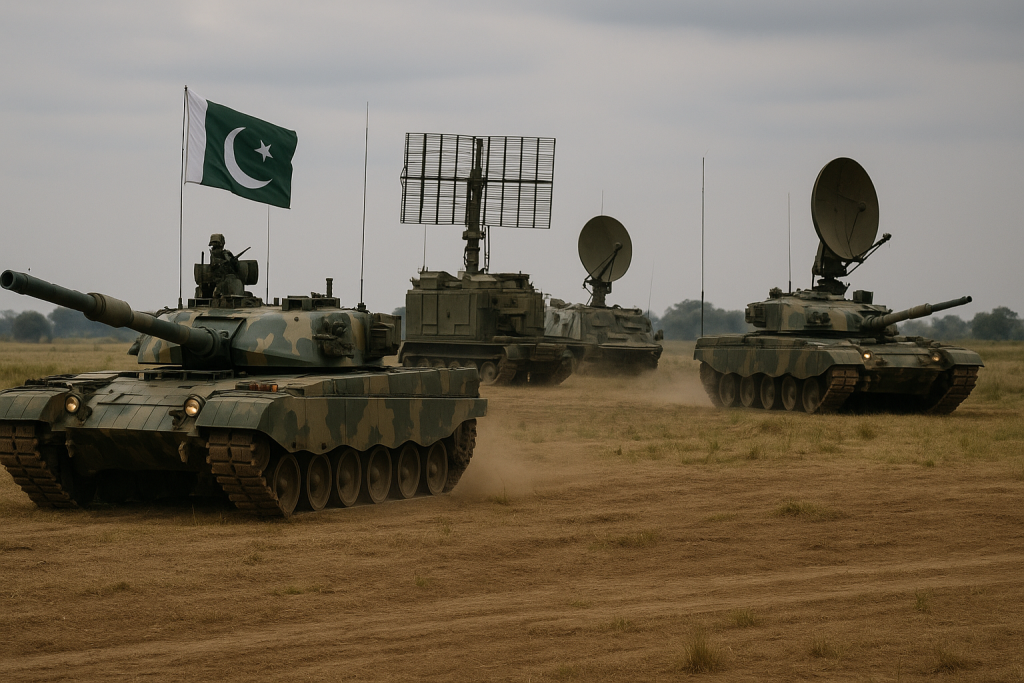
Reports have long suggested that China is seeking concessions from Bhutan at Doklam in exchange for addressing its claims in other disputed border regions. Doklam is situated at the junction of India, Bhutan, and Chinese-occupied Tibet.
Any concessions made by Bhutan in this area would carry significant strategic implications for India. The 2017 standoff between the Indian and Chinese armies, which lasted 73 days, stemmed from the latter’s construction of a road in a region claimed by Bhutan. It is believed that China may be inclined to reach a settlement if Bhutan agrees to its desires regarding Doklam.
Currently, Bhutan appears to be nearing a resolution to its border dispute with China. Foreign Minister Tandi Dorji, as cited by wionews.com on May 12, expressed confidence in reaching a settlement during an interview. Previously, Prime Minister Dr. Lotay Tshering had shared the same sentiment with the Belgian newspaper La Libra during his visit to Brussels on March 25. Bhutan aims to conclude the demarcation of territories with China within “one or two meetings.”
Dorji made these remarks during an interview with WION at the 6th Indian Ocean Conference (IOC) in Bangladesh’s capital, Dhaka. The report stated that Dorji emphasized the presence of peace and tranquility at the border while refuting allegations of Chinese encroachment on Bhutanese territory. He further expressed hope that the border demarcation process would be completed expeditiously to prevent potential future disagreements.
According to Dorji, “Bhutan and China share a very close and cordial relationship. Our northern border has yet to be demarcated. We have held 24 rounds of talks and continue to engage in expert group meetings, hoping for a swift resolution.”
When questioned about the Doklam border issue, Dorji clarified, “From our perspective, the Chinese have always respected their side of the territory, and we have not observed any incursions into Bhutanese territories.”
Doklam encompasses an area of less than 100 sq km, consisting of a plateau and valley at the tri-junction of occupied Tibet’s Chumbi Valley to the north, Bhutan’s Ha District to the east, and India’s Sikkim state to the west.
However, China also lays claim to the plateau and previously attempted to construct a road in the region claimed by Bhutan, prompting intervention by the Indian army in 2017. Considering Bhutan’s assertion that the Chinese have consistently stayed within their occupied-Tibet territory, it raises the question of whether this might pose a problem for India.
***