India Stands Firm on Border Dispute, Says Relations with China Remain Unstable
India-China Relations: Ongoing Border Standoff and Economic Disputes
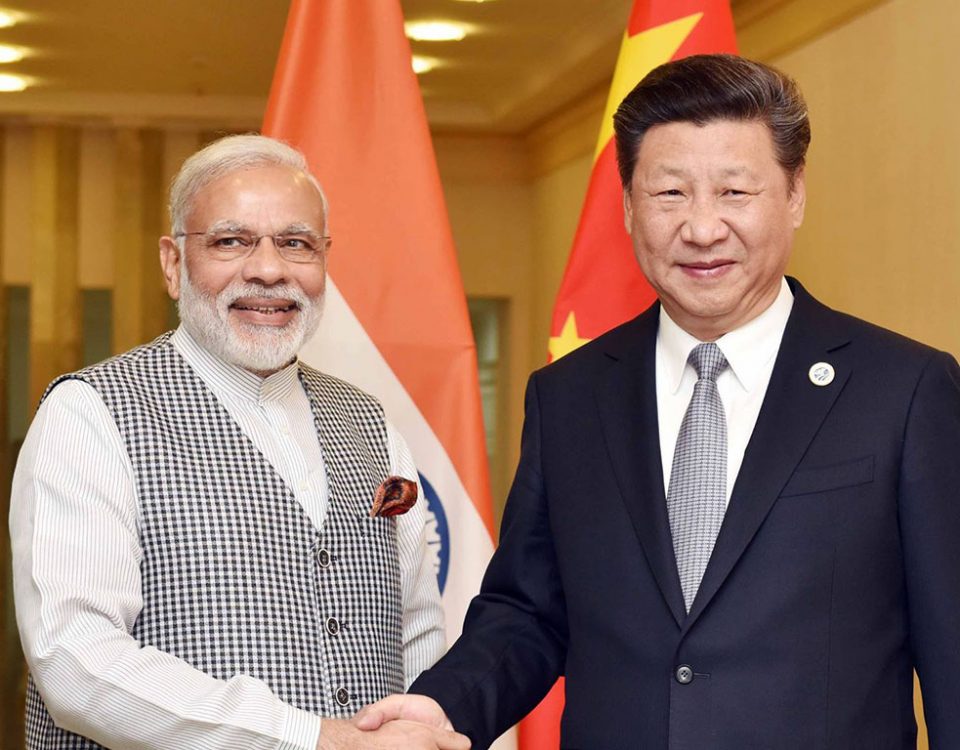
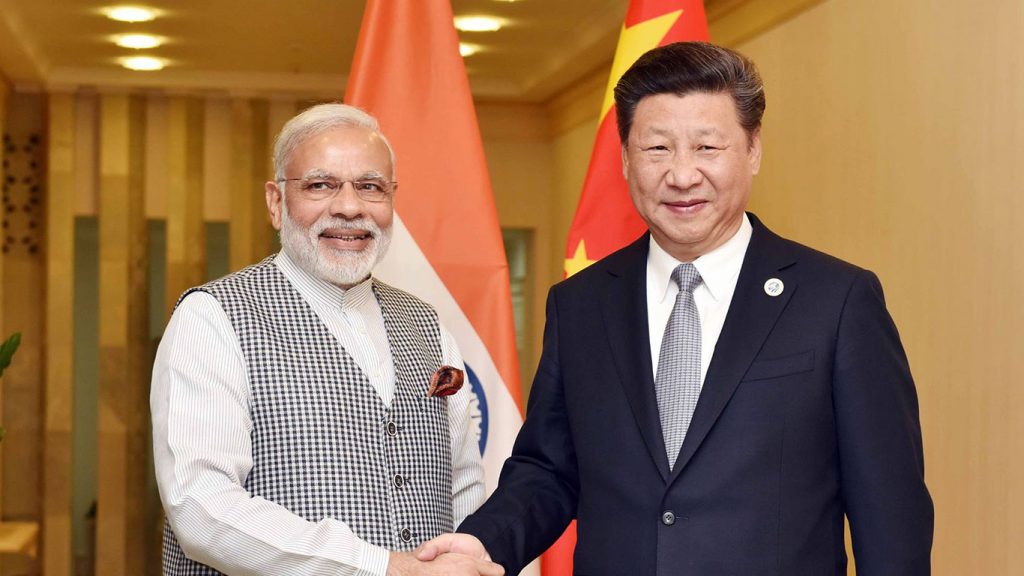
India’s External Affairs Minister S. Jaishankar highlighted the ongoing difficulties in India’s relationship with China during remarks made on July 29. Jaishankar confirmed that the Eastern Ladakh border standoff remains a significant issue, and he has met twice this month with Chinese Foreign Minister Wang Yi in an attempt to resolve the situation. Despite these efforts, the relationship between the two countries remains strained.
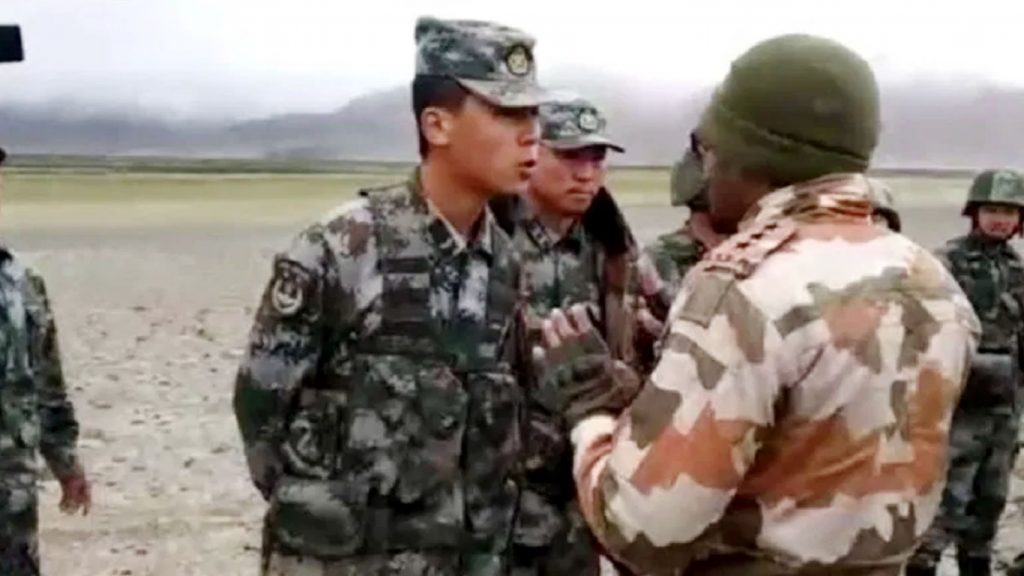
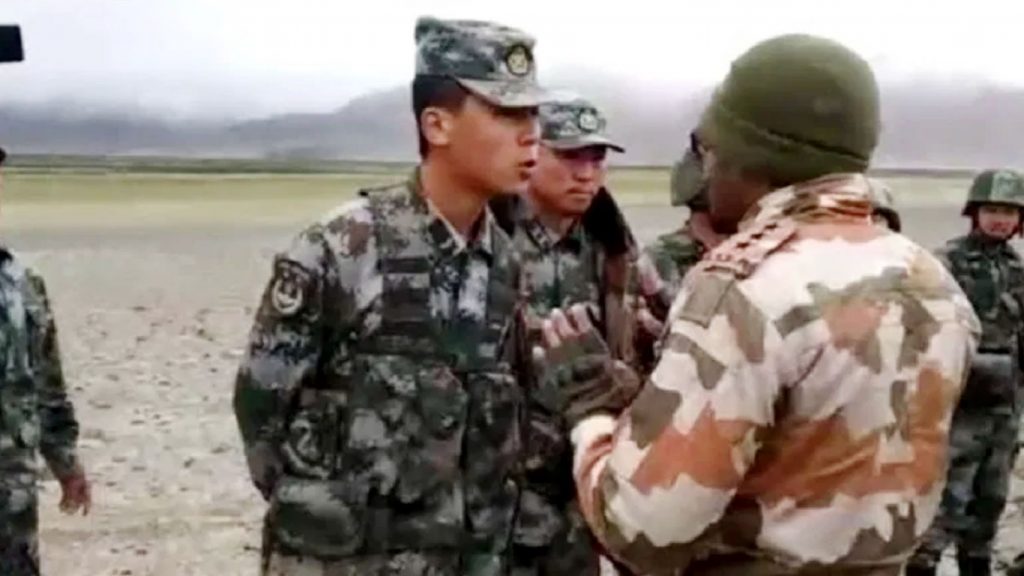
Addressing the media in Tokyo, Jaishankar acknowledged the problematic nature of India-China relations, emphasizing that the Eastern Ladakh standoff, which began in 2020 due to China’s incursion, is a major factor. He reiterated that resolving this issue is a bilateral matter, and India is not seeking third-party intervention despite global interest due to the size and significance of both nations.
“The relationship right now with China is not good, not normal,” Jaishankar stated, stressing the importance of China respecting the Line of Actual Control (LAC) and adhering to past agreements. He made it clear that normalization of bilateral ties depends on China restoring the pre-2020 Ladakh border status quo. Jaishankar’s comments came during a meeting of the Quadrilateral Security Dialogue (QUAD), which includes the USA, Australia, Japan, and India, further underscoring the global attention on India-China relations.
In his speech, Jaishankar noted, “We have views on China based on our experience. Our relations with China are not doing very well, the main reason for that is in 2020, during the COVID-19 pandemic, China brought very large forces to the border areas between India and China in violation of agreements that we had with China. That created tensions which led to a clash, and people died on both sides.” He added that the unresolved nature of this issue continues to impact bilateral relations significantly.
Meanwhile, India has rejected suggestions to allow Chinese foreign direct investment (FDI) as a measure to reduce the trade deficit and attract technical expertise. Commerce and Industry Minister Piyush Goyal, speaking on July 30, dismissed the idea despite its inclusion in the Economic Survey 2024 report, stating that there is no current reconsideration of supporting Chinese investments in the country.
“The Economic Survey is not at all binding on the government and there is no thinking on supporting Chinese investments in the country,” Goyal said, emphasizing that the government’s stance remains firm. The Economic Survey, authored by Chief Economic Adviser V. Anantha Nageswaran and his team, suggested that encouraging Chinese investments could help reduce India’s substantial trade deficit with China and foster domestic technical expertise. However, this proposal has been firmly rejected by the Indian government.
Adding to the tension, China continues to fortify its position along the LAC in Ladakh. The construction of “Xiaokang” villages in occupied Tibet, which began in 2018, has seen the development of 624 such villages by 2022. These villages, equipped with military and dual-use infrastructure, serve as strategic tools for China to assert and defend its claims near disputed areas. Satellite images show the recent construction of a new village in the Demchok sector, about 10 miles from the LAC, intended to house shepherds but also serving military purposes.
The ongoing border standoff and the construction of these villages highlight the unresolved tensions between the Indian Army and China’s People’s Liberation Army (PLA). The PLA’s fortification efforts in Demchok and Depsang areas continue, despite India’s insistence on returning to the pre-2020 border situation. The continued build-up of military assets and troops in these areas remains a point of contention and concern for both nations.
In response, India has initiated the ‘Vibrant Village Programme’ to prevent migration from villages along the LAC. This program includes 136 villages and 113 all-weather road projects, with an investment of Rs 2,420 crores, aimed at enhancing connectivity and strengthening border security. The program is designed to provide better infrastructure and amenities to border villages, thereby ensuring that they remain inhabited and can serve as a buffer against any potential incursions.
As diplomatic and military negotiations continue, the situation remains complex and volatile, underscoring the challenging dynamics of India-China relations. The sustained military presence, strategic infrastructure developments, and economic policy disagreements all contribute to a fraught relationship that requires careful management and continued dialogue. The international community watches closely, aware of the broader implications of this bilateral tension between two of the world’s most populous and powerful nations.
***
***