Here’s your 500-word news article:
Army Chief Flags Pakistan’s Role in J&K Terrorism, Highlights Border Security Concerns
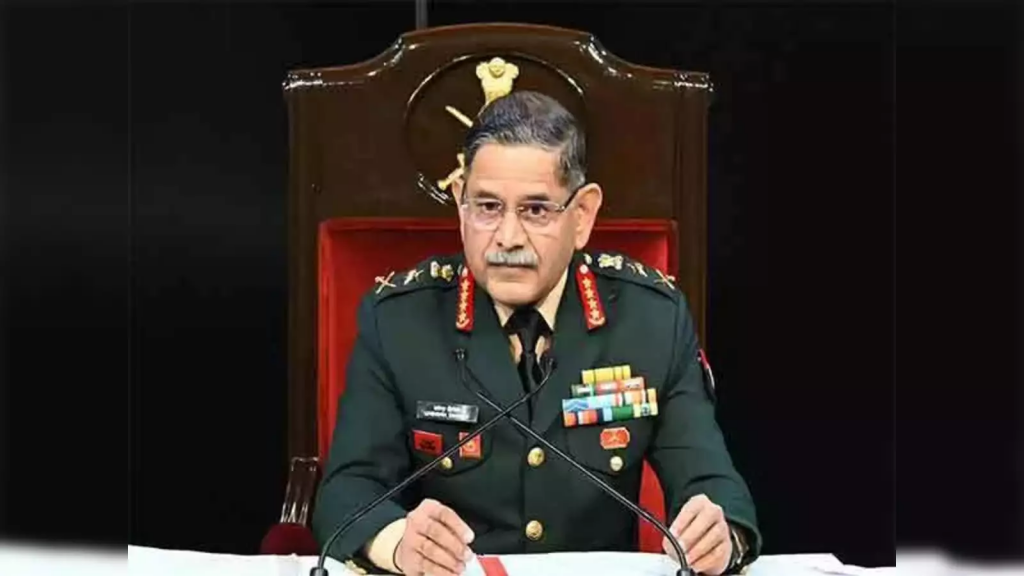
New Delhi, January 13, 2025: Indian Army Chief General Upendra Dwivedi has raised concerns over Pakistan’s continued involvement in terrorism in Jammu and Kashmir (J&K), stating that a majority of terrorists neutralized in the region were of Pakistani origin. Addressing the media, he also provided updates on border security challenges along the Line of Actual Control (LAC) with China and the ongoing violence in Manipur.
Pakistan’s Involvement in J&K Terrorism
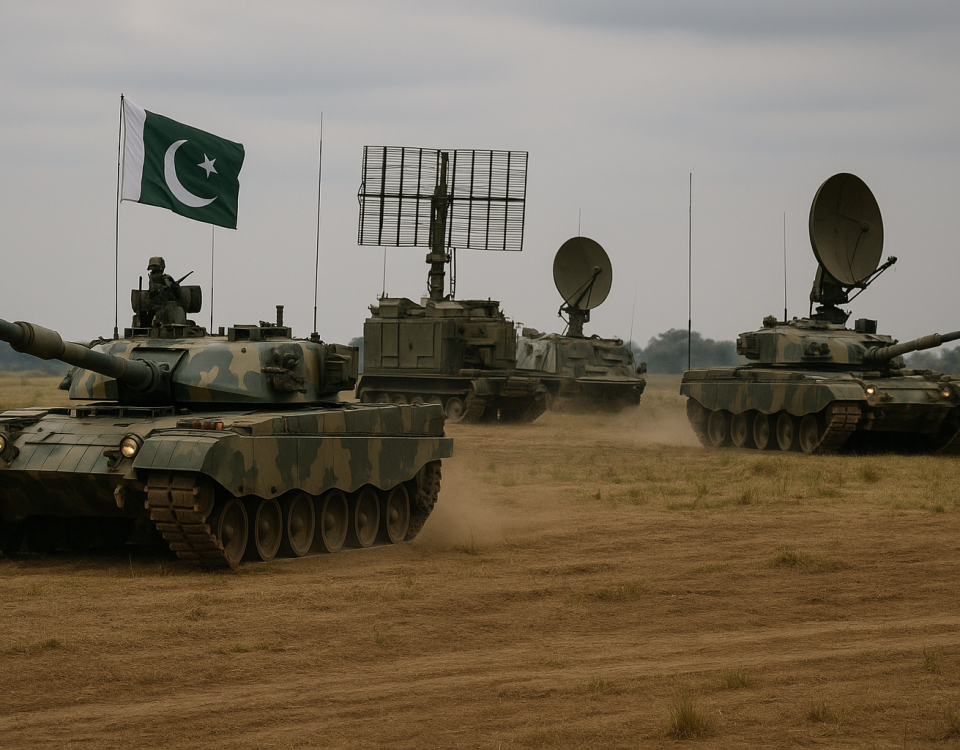
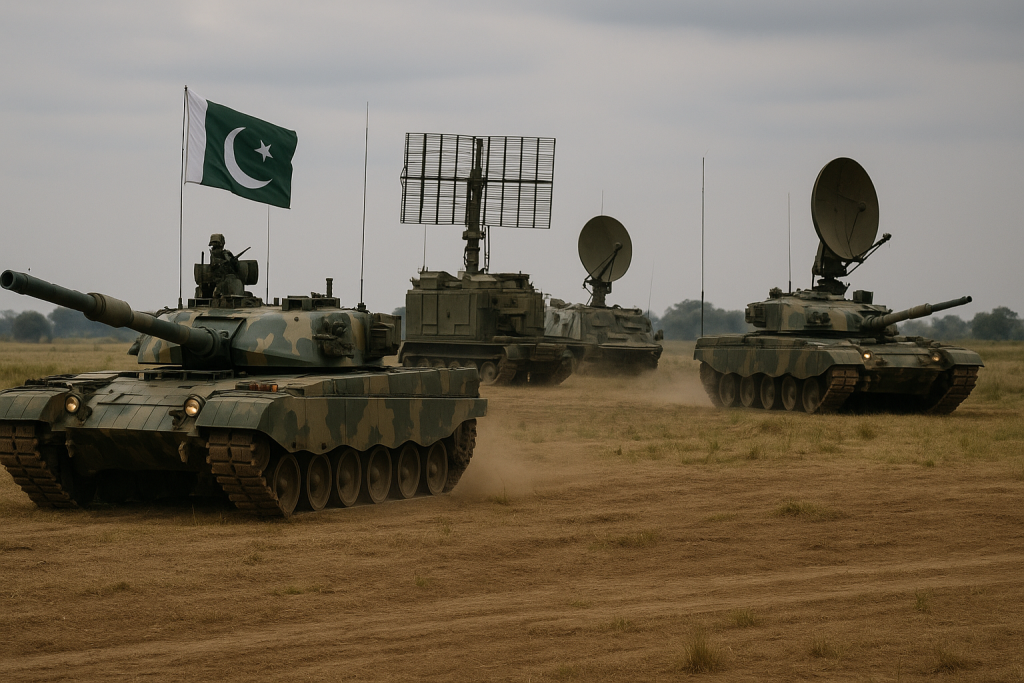
General Dwivedi revealed that 60% of terrorists killed in counterinsurgency operations in J&K last year were Pakistani nationals, while 80% of active terrorists in the region were also from Pakistan. Despite a ceasefire agreement along the Line of Control (LoC) since February 2021, Pakistan continues to support terror activities through infiltration and the use of drones for smuggling weapons and narcotics.
“The ceasefire is holding, but terror infrastructure across the border remains intact. We have observed increased terrorist activity in North Kashmir and the Doda-Kishtwar region,” said General Dwivedi. However, he emphasized that overall violence levels have decreased due to the Army’s counterterrorism efforts.
J&K’s Shift from Terrorism to Stability
The Army Chief highlighted that the security situation in J&K has significantly improved, paving the way for development and tourism. He cited the successful conduct of the 2023 Amarnath Yatra, which saw over five lakh pilgrims visiting the holy shrine without security disruptions.
“This transformation from terrorism to tourism reflects growing stability in the region. The people of J&K are increasingly rejecting violence and embracing peace,” he stated.
LAC with China: ‘Sensitive But Stable’
Discussing the situation along the LAC with China, General Dwivedi described it as “sensitive but stable.” He noted that progress has been made in resolving long-standing issues in the Depsang and Demchok sectors in eastern Ladakh.
“In October 2024, traditional patrolling and grazing resumed in Depsang and Demchok, and these concerns were addressed through military dialogue,” he said.
The Army continues to strengthen border infrastructure and integrate advanced surveillance technology to maintain a strong defense posture along the LAC.
Manipur Violence and Border Security
Addressing the ongoing unrest in Manipur, General Dwivedi acknowledged that sporadic violence persists but assured that security forces are working to restore normalcy.
“Enhanced surveillance and fencing along the Myanmar border are underway to prevent cross-border infiltration and illegal activities,” he said.
The violence in Manipur has remained a challenge for security forces, with ethnic clashes and armed insurgencies continuing to pose a threat to stability.
Army’s Focus on Indigenization and Preparedness
The Army Chief reiterated the Indian Army’s commitment to becoming a self-reliant force under the “Atmanirbhar Bharat” initiative. He emphasized the need to integrate advanced indigenous technologies to enhance operational capabilities.
“Our goal is to transform the Indian Army into a future-ready force that is fully prepared to handle any security challenge,” he said.
General Dwivedi’s address highlighted key security concerns, from Pakistan-backed terrorism in J&K to evolving challenges along the LAC with China and internal unrest in Manipur. While improvements in J&K signal progress, the Army remains focused on countering infiltration, strengthening border defenses, and ensuring national security. With continuous vigilance and modernization, India aims to maintain stability in a complex geopolitical landscape.
***