India Strengthens Troop Presence Along Tibet Border Amidst Tensions with China
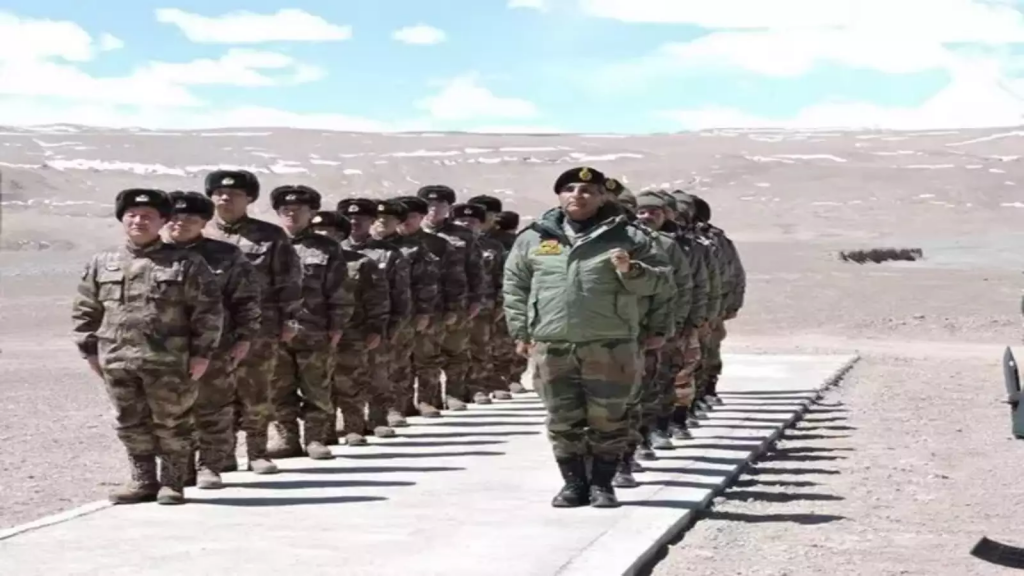
New Delhi, January 13, 2025: Despite an October 2024 disengagement agreement between India and China, tensions along the Line of Actual Control (LAC) remain high. India has decided to maintain its troop presence along the northern border throughout the winter, signaling its continued vigilance amid China’s growing military activities in the region. The latest infrastructure developments in India and China’s recent military drills highlight the strategic competition between the two neighbors.
India’s Winter Strategy: No Troop Reduction
On January 13, Indian Army Chief General Upendra Dwivedi confirmed that the country would not scale down its military deployment along the northern border despite extreme winter conditions. He emphasized that while winter troop deployment traditionally sees a reduction, India has opted to maintain its forces at current levels to ensure security and preparedness.
“The situation along the LAC remains sensitive but stable. We will continue to maintain a strong and balanced presence to safeguard our territorial integrity,” General Dwivedi stated. He further noted that the Army is closely monitoring developments and that discussions with China are ongoing to prevent further escalation.
Strategic Infrastructure Boost: Z-Morh Tunnel Inauguration
In a major push for military readiness, Prime Minister Narendra Modi inaugurated the 6.4-kilometer Z-Morh tunnel on the same day. The tunnel, which connects Kashmir to Ladakh, will provide year-round access to high-altitude areas that were previously cut off during harsh winters. This development is seen as a crucial step in enhancing India’s logistical and military capabilities in the Himalayan region.
The tunnel will enable faster movement of troops, equipment, and supplies, ensuring a strategic advantage in case of any future conflicts. By keeping the Srinagar-Leh Highway operational throughout the year, India is strengthening its ability to rapidly deploy forces and maintain defensive preparedness along the LAC.
China’s High-Altitude Military Drills
Meanwhile, China has been conducting extensive military exercises near the disputed border, further fueling tensions. The drills, led by the Xinjiang Military Command, have focused on high-altitude combat readiness, featuring advanced technology such as drones, all-terrain vehicles, and exoskeleton suits designed to enhance soldier endurance in extreme conditions.
These exercises indicate China’s commitment to modernizing its military and improving its high-altitude warfare capabilities. The deployment of unmanned systems and rapid-mobility technologies suggests that Beijing is preparing for sustained operations in contested areas near Ladakh.
Analysis: Strategic Competition and Future Outlook
India’s decision to maintain its troop presence and ramp up infrastructure development highlights its strategic priorities along the northern frontier. While the 2024 disengagement agreement brought temporary relief, the situation remains volatile as both countries continue to enhance their military preparedness.
China’s military drills serve as a reminder of the ongoing power struggle in the region, with both nations unwilling to lower their guard. India’s investments in infrastructure, such as the Z-Morh tunnel, signal its long-term commitment to securing its borders against potential threats.
A Delicate Balance
Despite diplomatic efforts, the situation along the LAC remains fragile. Both India and China are focusing on military preparedness, signaling that tensions could persist in the coming months. While negotiations may continue, the strategic posturing by both nations suggests that the border dispute remains far from resolved.
***