Parliamentary Panel Reviews ‘One Nation, One Election’ Bills Amid Divided Opinions
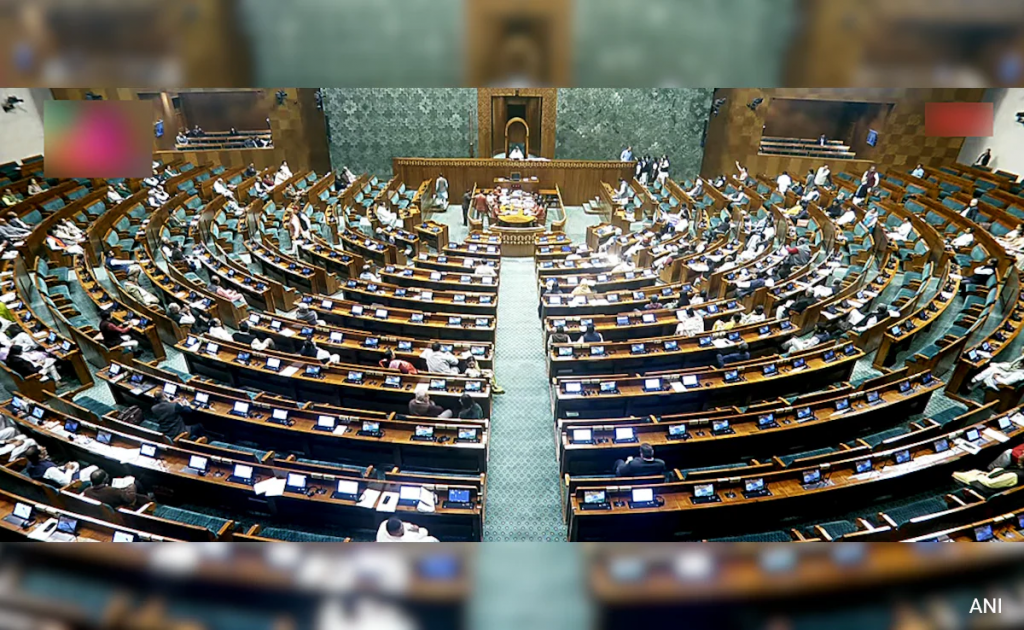
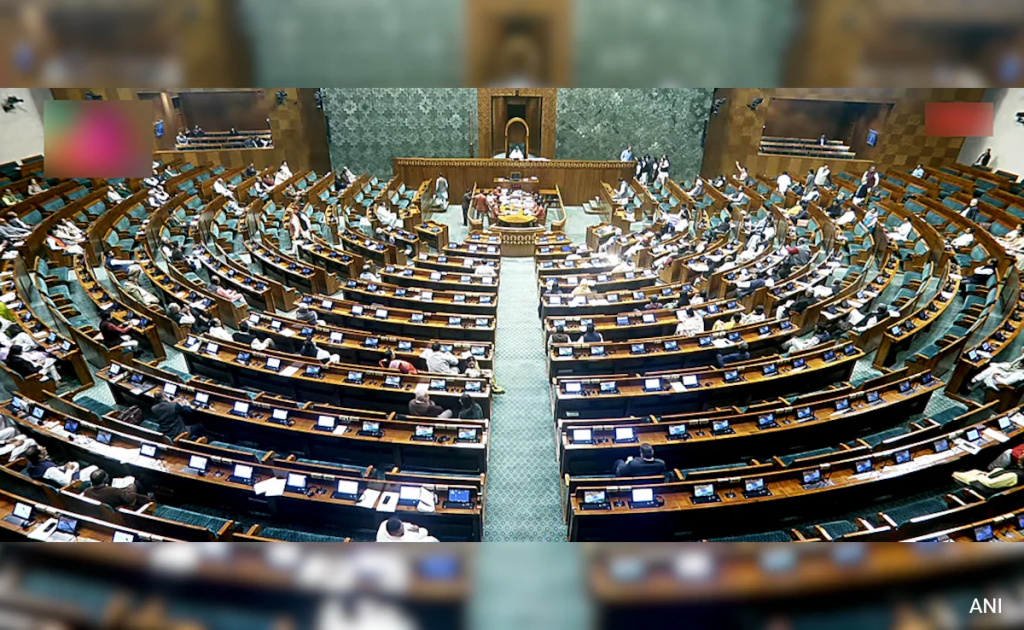
The Parliamentary Joint Committee convened its first meeting to review two key bills central to the ‘One Nation, One Election’ proposal, sparking heated debate between the ruling Bharatiya Janata Party (BJP) and the opposition. While BJP lawmakers hailed the initiative as a step towards administrative efficiency and governance stability, opposition parties raised concerns about its constitutional ramifications and potential impact on democratic rights.
The Legislative Proposal
The Constitution (129th Amendment) Bill and the Union Territories Laws (Amendment) Bill, introduced in the recent Winter Session of Parliament, aim to establish a legal framework for conducting simultaneous elections to the Lok Sabha and all State Assemblies. The concept, actively promoted by Prime Minister Narendra Modi, is intended to reduce the frequency of elections, which necessitate the imposition of the Model Code of Conduct (MCC), thereby disrupting governance and policy implementation.
However, critics argue that the move could undermine India’s federal structure, eroding regional autonomy and limiting voters’ ability to hold governments accountable at different times. Opposition leaders also fear that a centralized electoral cycle could disproportionately benefit the ruling party, impacting the democratic landscape.
Committee Composition and Key Figures
The Joint Parliamentary Committee, chaired by BJP MP and former Minister of State for Law P.P. Chaudhary, consists of 39 members drawn from various political parties. Notable members include Priyanka Gandhi Vadra (Congress), Kalyan Banerjee (Trinamool Congress), Anurag Thakur (BJP), and Supriya Sule (NCP). The committee was expanded from its initial 31 members to 39 to accommodate broader political representation.
Chaudhary emphasized an inclusive approach, stating, “We will engage with all stakeholders, including constitutional experts, members of civil society, the judiciary, and political leaders. The objective is to evaluate the bills in an unbiased manner, ensuring the nation’s best interests are prioritized.”
Divergent Perspectives
During the committee’s first meeting, officials from the Ministry of Law and Justice presented the bills’ key provisions, citing past endorsements of simultaneous elections by the Law Commission of India and other expert bodies. BJP members reiterated that frequent elections divert administrative resources and lead to policy stagnation.
BJP MP Vishnu Dayal Ram defended the proposal, asserting, “Frequent elections keep the bureaucracy in perpetual campaign mode and disrupt long-term policymaking. The ‘One Nation, One Election’ initiative will bring stability and reduce public expenditure.”
However, opposition members strongly opposed the bills, warning of the dangers of centralizing elections. A Congress MP argued that the proposal weakens India’s federal structure, while a Trinamool Congress leader claimed it curtails the electorate’s right to shape regional mandates independently.
Next Steps and Implications
The committee intends to hold extensive consultations with legal scholars, constitutional experts, and civil society organizations before presenting its final recommendations. With 27 members from the Lok Sabha and 12 from the Rajya Sabha, the panel mirrors India’s diverse political landscape.
As opposition parties signal their intent to challenge the bills, the future of the ‘One Nation, One Election’ initiative remains uncertain. However, the committee’s commitment to fostering dialogue offers hope for a thorough and constructive debate. With the potential to reshape India’s electoral framework, the nation watches closely as deliberations continue.
***