The Rising Challenge of Illegal Bangladeshi Immigration in India
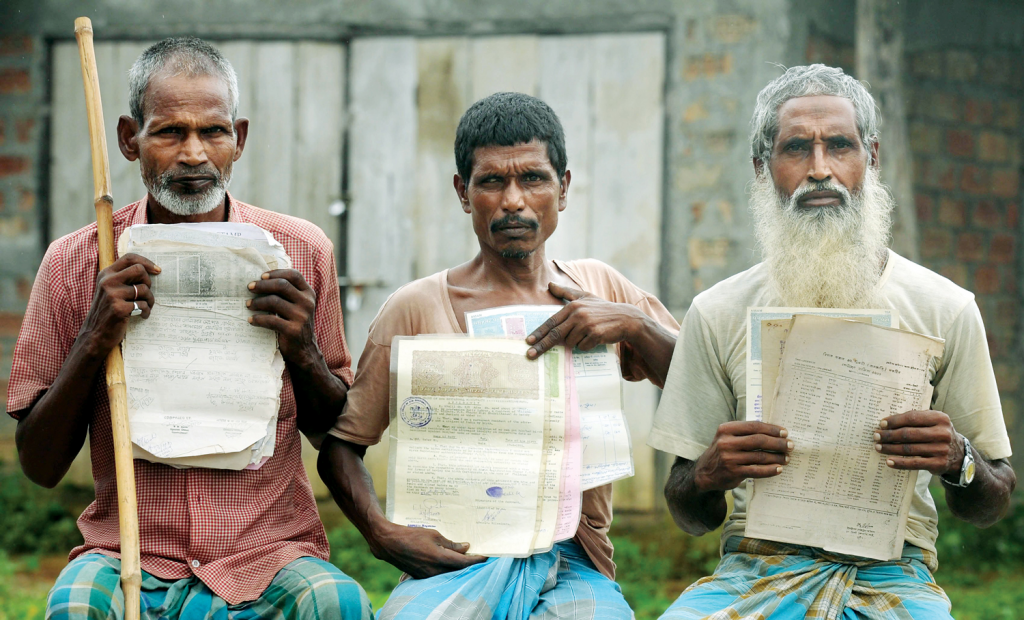
India is facing a growing challenge due to the increasing number of illegal immigrants from Bangladesh. Economic hardship, political instability, and weak border controls have contributed to this influx. While many seek low-wage jobs, concerns over security and criminal activities linked to illegal migration are rising. A recent attack on Bollywood actor Saif Ali Khan by an illegal Bangladeshi immigrant has reignited debates over national security and immigration policies.
Rising Illegal Immigration
India and Bangladesh share a 4,000-km border, much of which remains porous, making it difficult to prevent illegal crossings. Many immigrants enter India during the monsoon season, when heavy rain and fog reduce visibility, making border crossings easier. States like West Bengal, Assam, Tripura, and Meghalaya have become major entry points for these migrants.
In a recent case, a 26-year-old Bangladeshi woman was arrested in Mumbai’s Grant Road area. She had entered India illegally after losing her husband, hoping to find better job opportunities. She crossed marshlands and hills to reach Mumbai, where she worked in the informal labor market before being caught.
Security and Criminal Threats
While many illegal immigrants work as laborers, domestic workers, and in agriculture, an increasing number have been linked to criminal activities such as smuggling, drug trafficking, and organized crime. Security agencies have raised concerns about their involvement in extremist activities, posing a threat to India’s internal security.
On January 16, Bollywood actor Saif Ali Khan was attacked in his Mumbai residence by an illegal Bangladeshi immigrant who intended to rob him. The violent altercation left Khan injured and sparked nationwide discussions about illegal immigration and urban crime.
Reports indicate that illegal immigrants are often recruited by human trafficking networks, arms smugglers, and even terrorist organizations. The proximity of Bangladesh to the “Golden Triangle” drug trade route has also made India a key transit hub for narcotics. Intelligence agencies warn that extremist groups exploit weak border controls to move operatives across the region.
Global Comparisons and India’s Policy Dilemma
The issue of illegal immigration in India is similar to the challenges faced by the United States, where strict border enforcement policies were introduced under former President Donald Trump. While controversial, Trump’s measures aimed to protect national security and economic stability by curbing illegal migration.
India, however, faces unique challenges due to its historical and cultural ties with Bangladesh. Unlike the U.S., where deportation is a common practice, India’s diplomatic relations with Bangladesh make the issue more sensitive. However, with rising security concerns, calls for stricter border controls are growing louder.
Need for Stronger Immigration Policies
To address this issue, India must strengthen its border security with better fencing, surveillance, and biometric tracking systems. Fast-tracking deportation processes and improving diplomatic coordination with Bangladesh are also essential to curb illegal migration effectively.
At the same time, a balanced immigration policy is needed—one that ensures national security while also protecting the rights of persecuted minorities from Bangladesh. The Indian government is under increasing pressure to act, as social tensions and security risks continue to escalate.
With national security at stake, a comprehensive immigration policy is more urgent than ever. The challenge is clear: India must act decisively to secure its borders while maintaining humanitarian principles.
***