India Increases Security for Dalai Lama Amid Tensions with China
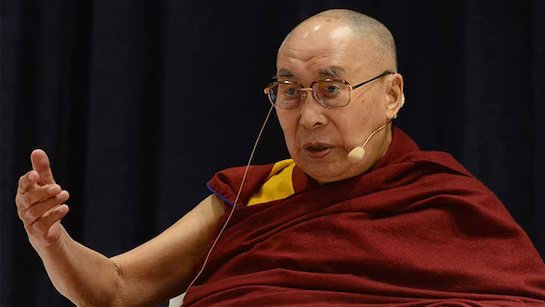
New Delhi: The Indian government has upgraded the security of Tibetan spiritual leader, the Dalai Lama, by granting him Z-category protection due to potential security threats. This move, confirmed by government sources on February 13, 2025, highlights India’s commitment to ensuring the safety of the globally respected Buddhist leader, who has lived in exile in India since 1959.
The Union Home Ministry has assigned the VIP security wing of the Central Reserve Police Force (CRPF) to handle the Dalai Lama’s protection. Earlier, his security was mainly managed by the Himachal Pradesh Police, along with additional support from local law enforcement when he traveled outside the state. Following a review by intelligence agencies, the government has now deployed a 30-member CRPF commando team to provide round-the-clock security for the 89-year-old leader.
Security Upgrade Amid Rising India-China Tensions
The decision to strengthen the Dalai Lama’s security comes as tensions between India and China continue to escalate. China has long opposed his global influence, labeling him a “separatist.” Recently, Beijing strongly condemned India’s decision to name a peak in Arunachal Pradesh after the Sixth Dalai Lama, calling the move “illegal and void.”
Although India recognizes Tibet as part of China, it has provided asylum to the Dalai Lama and the Tibetan government-in-exile for over six decades. The latest security enhancement reflects New Delhi’s careful yet firm stance, signaling continued support for the Dalai Lama while maintaining diplomatic relations with Beijing.
The Dalai Lama’s influence extends beyond India and China to other Himalayan nations like Nepal, Bhutan, and Myanmar, where Tibetan Buddhism plays an important role. Ensuring his safety is a priority, as any potential threat could have far-reaching consequences in the region.
Assessing the Security Threats
The Dalai Lama’s global stature and advocacy for Tibetan autonomy make him a target for foreign intelligence agencies, extremist groups, and other radical elements. Intelligence reports have consistently warned about potential threats against him, leading the Indian government to bolster his security.
India has previously provided high-level security to individuals facing serious threats. For instance, BJP leader Sambit Patra was recently granted Z-category protection in Manipur due to security concerns linked to ongoing ethnic violence in the region. Patra, a Member of Parliament from Puri, has been actively involved in the BJP’s political activities in Manipur, a state experiencing unrest for nearly two years.
Geopolitical Implications
China is expected to closely monitor India’s decision to enhance the Dalai Lama’s security. Any development involving him carries broader diplomatic implications, particularly amid ongoing border tensions and economic disputes between the two nations.
India’s role as a protector of exiled Tibetan leadership also shapes its regional influence, especially among Buddhist-majority nations with cultural and religious ties to Tibet. As China expands its presence in the Himalayan region, India’s move to provide stronger security for the Dalai Lama signals a long-term commitment to the Tibetan cause.
As regional tensions continue to evolve, India’s approach to the Dalai Lama’s security will remain a crucial element in its diplomatic and national security strategies. This decision underscores India’s delicate balancing act between supporting Tibetan autonomy and managing its complex relationship with China.
***