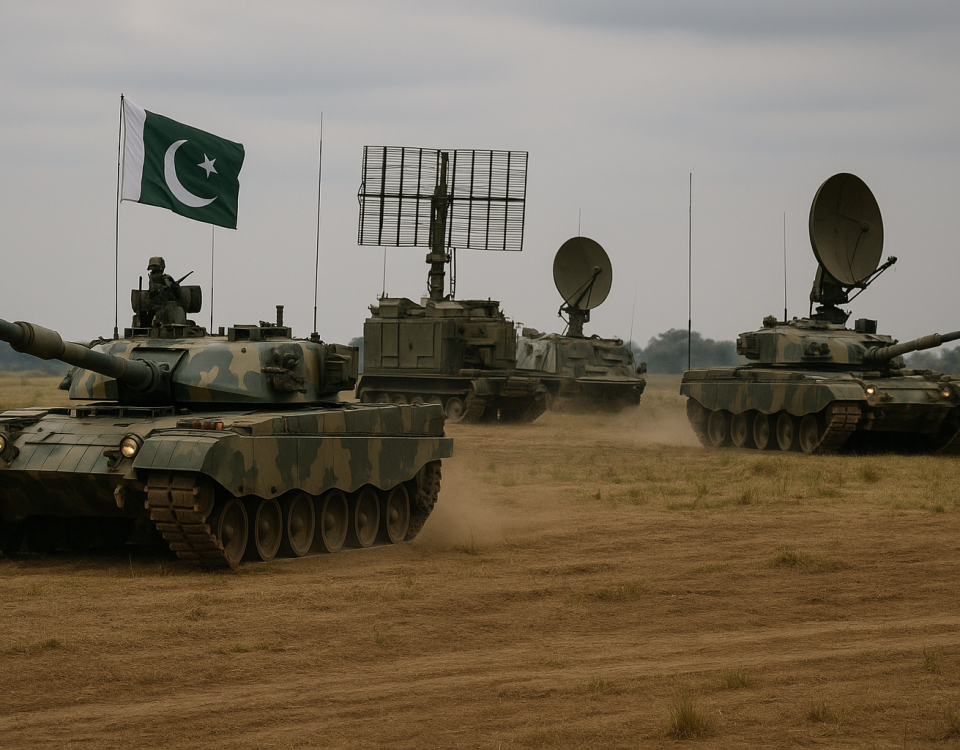
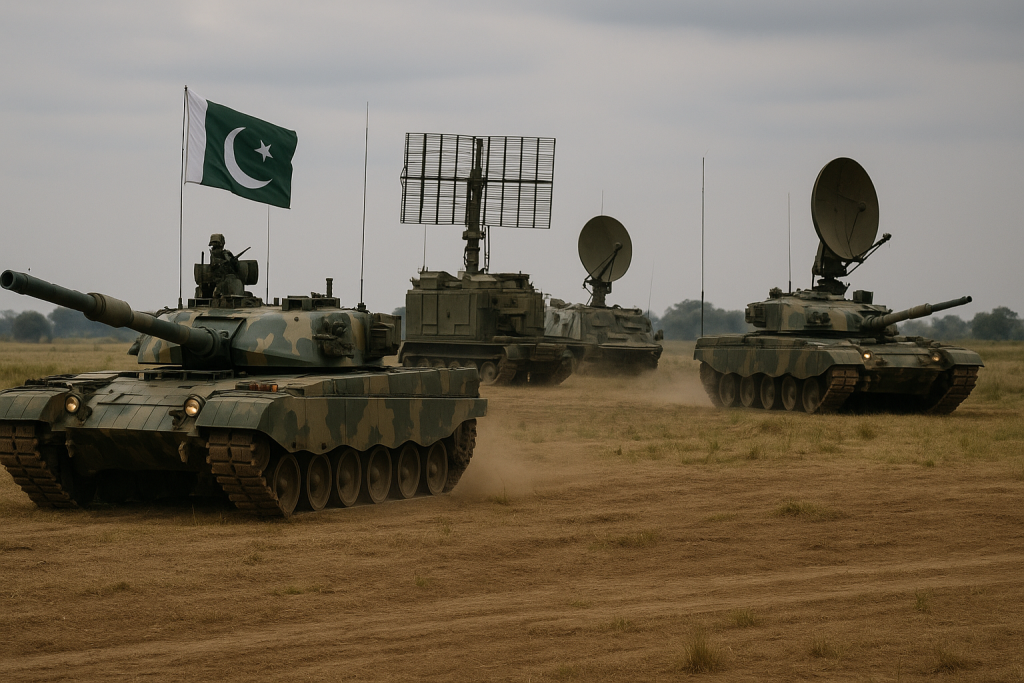
Pakistan Military Expands Grip on Economy, Raising Concerns Over Civilian Rule
Islamabad, Pakistan | February 18, 2025 – Pakistan’s military, long criticized for its dominance over political affairs, is now extending its influence over the country’s economy, leading to fresh concerns about the erosion of civilian governance. The recent revelation that 36 serving military officers are embedded within the Special Investment Facilitation Council (SIFC) has sparked significant controversy, with critics warning of the military’s deepening control over national decision-making processes.
Military’s Expanding Economic Role
The SIFC was established in 2023 under Prime Minister Shehbaz Sharif, ostensibly to attract foreign direct investment (FDI) and streamline business operations. However, many political analysts argue that the council’s real purpose is to solidify military influence over economic policymaking. The inclusion of the Chief of Army Staff and other high-ranking military personnel within the council has raised alarms over increasing military dominance in governance.
Despite ambitious claims of boosting FDI to $5 billion, concerns persist over the military’s role in economic decision-making. Critics argue that the participation of serving officers—whose salaries come from Pakistan’s defense budget—reflects a shift away from civilian governance and towards military-led economic control. Many fear this move is not just about efficiency but about consolidating military power at the expense of civilian institutions.
Political Backlash and Public Concerns
The extent of military involvement in the SIFC was disclosed by Omar Ayub Khan, the Leader of the Opposition in Parliament, during a parliamentary committee meeting on February 12. His revelation has amplified fears that Pakistan’s civilian government is increasingly being sidelined.
Political analyst Imtiaz Gul voiced concerns, stating, “SIFC is just another mechanism for the military to tighten its hold on Pakistan’s economy. This move is less about economic progress and more about control.” Prominent journalist Hamid Mir also criticized the development, sarcastically suggesting, “Perhaps the Pakistan Military Academy should now start training cadets in investment strategies. Military expertise lies in national defense, not economic management.”
Former Member of Parliament Bushra Gohar further questioned the legitimacy of military officials overseeing economic matters. She stated, “Why are serving military officers running SIFC? Their role is national security, not business administration. Parliament’s silence on this takeover is alarming. Civilian authority is being systematically undermined.”
Erosion of Democratic Institutions
Pakistan has a long history of military intervention in governance, from direct coups to indirect control over civilian governments. The establishment of military-dominated institutions like the SIFC is seen by critics as another method of controlling national policies while maintaining the illusion of democratic governance.
The military’s growing control over economic affairs is also expected to have significant repercussions on Pakistan’s global standing. Transparency and civilian-led decision-making are key factors for international investors, and the increasing militarization of Pakistan’s economy may deter foreign stakeholders from engaging with the country. Nations and financial institutions prefer economic policies driven by democratic governments rather than military leadership.
A Threat to Pakistan’s Stability
The expansion of military influence into economic governance sets a dangerous precedent, further diminishing the role of civilian leadership. If left unchecked, Pakistan risks becoming a state where democratic institutions hold little power, and the military continues to dictate national policies without accountability.
Unless the civilian government asserts its authority, Pakistan’s future will remain in the hands of military elites, weakening its democratic credibility and deepening its internal governance crisis. The situation underscores the urgent need for a reassessment of civil-military relations to prevent the further erosion of democratic governance and economic transparency.
***