China made another claim to India’s Arunachal Pradesh by releasing a list of “standardised geographical names” which included 11 places present in the frontier state that actually turned out to be random names given to nondescript peaks, isolated forest tracts, non-existent rivers and towns superficially bound together as part of Medog, Zayu and Cona counties in Tibet’s Nyingchi prefecture.
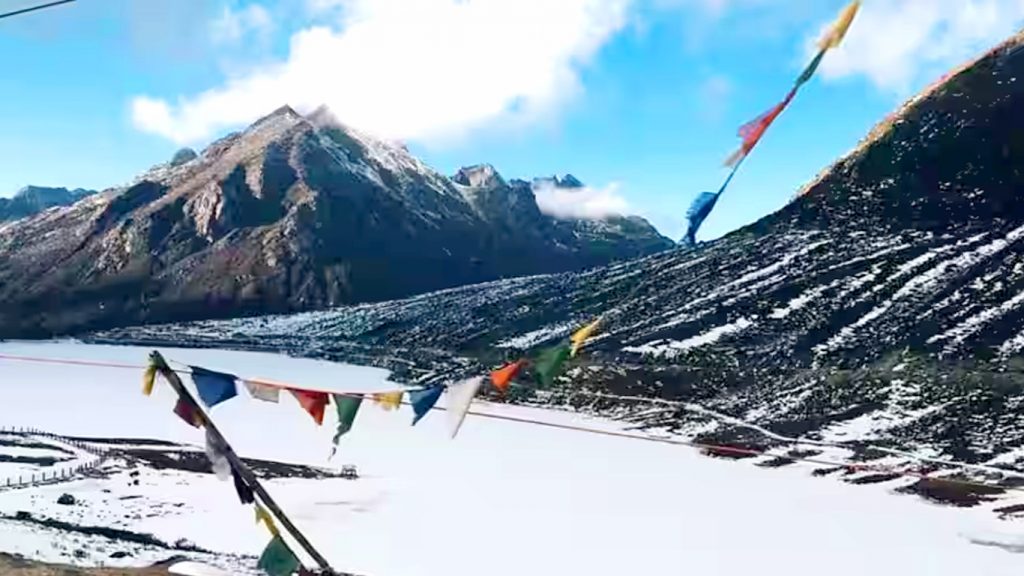
Together as part of Cuona County, Zayu County, and Medog County in Tibet’s Nyingchi Province. For example, without giving the management of the two rivers the Chinese call the “Qiburi River” and the “Geduo River”, the Ministry of Civil Affairs simply claims that these are “special areas”. “Bangqin” means “a piece of land” in the forested hills beyond Zemithang, the last village in India’s Tawang region, close to the imaginary McMahon Line that marks the boundary. Ahead of the Cope India IAF-US airstrike exercise on April 10-21 at Kalaikunda airbase in Bangladesh, official sources described the exercise as a “hoax” by China. The list, published by China’s Ministry of Civil Affairs on April 2, uses Tibetan and Hanyu Pinyin, a local spelling system, and words in the Latin alphabet as spoken language.
The third of its kind, he describes the list as “an extension of popular place names in southern Tibet” that includes groups, district leaders, and elected officials. One Chinese listing entry is a settlement named “Jiangkazong”, which refers to a building in Tawang city whose office is located west of Jawahar Navodaya Vidyalaya.The coordinates of another settlement, the “Big East”, point to a large opening on Google Maps as Arunachal, West Rural District, Tato Township. Another piece of “land”, called “Gu Yutong” by the Chinese, was turned into a forest clearing near the west bank of the Lohit river, north of Kibithoo, Anjaw District, eastern Arunachal Pradesh.
The list was released by China’s ministry of civil affairs on April 2, using both Tibetan and Chinese pinyin – which is the system of writing native words and names in the Latin alphabet on the basis of pronunciation.
The list, which was the third of its kind, was described by China as an “addition of publicly used place names in southern Tibet” along with administrative districts, select co-ordinates and categories.
While claims made by China have been dismissed by India, the Chinese foreign ministry has been asserting “sovereign right” on the 11 places listed. It continues to claim that they belong to “Zangnan, the southern part of Tibet”.
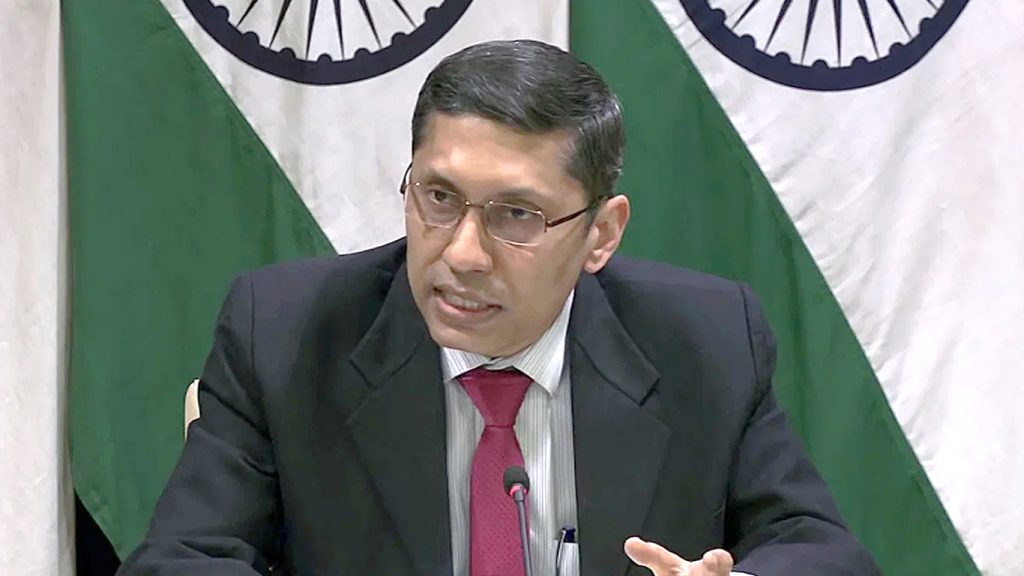
The Indian foreign ministry spokesperson Arindam Bagchi wrote on Twitter: “Arunachal Pradesh is, has been and will always be an integral and inalienable part of India,”
White House press secretary Karine Jean-Pierre, in a statement, said that the United States opposed any “unilateral attempts to advance a territory claim by renaming localities”.
(With inputs from agencies)