India Air-Drops Troops and Arms to Eastern Ladakh After Galwan Clash

India Air-Drops Troops and Arms to Eastern Ladakh After Galwan Clash
In preparation for the 19th Corps Commander-level discussions between the armed forces of India and China, which commenced at the Chushul border meeting point in Eastern Ladakh on August 14, it was revealed that India had rapidly deployed troops and equipment shortly after the June 15, 2020 nighttime conflict when Chinese forces raided their Indian counterparts in the region.
The tensions at the eastern Ladakh border had escalated earlier on May 5, 2020, due to a violent clash near Pangong Lake. In response to the deadly skirmishes in the Galwan Valley, the Indian Air Force (IAF) took swift action, airlifting over 68,000 Army soldiers, approximately 90 tanks, and various other weapon systems from different parts of the country to eastern Ladakh. This information was reported by the PTI news agency on August 13, citing reliable sources within the defense and security establishment.
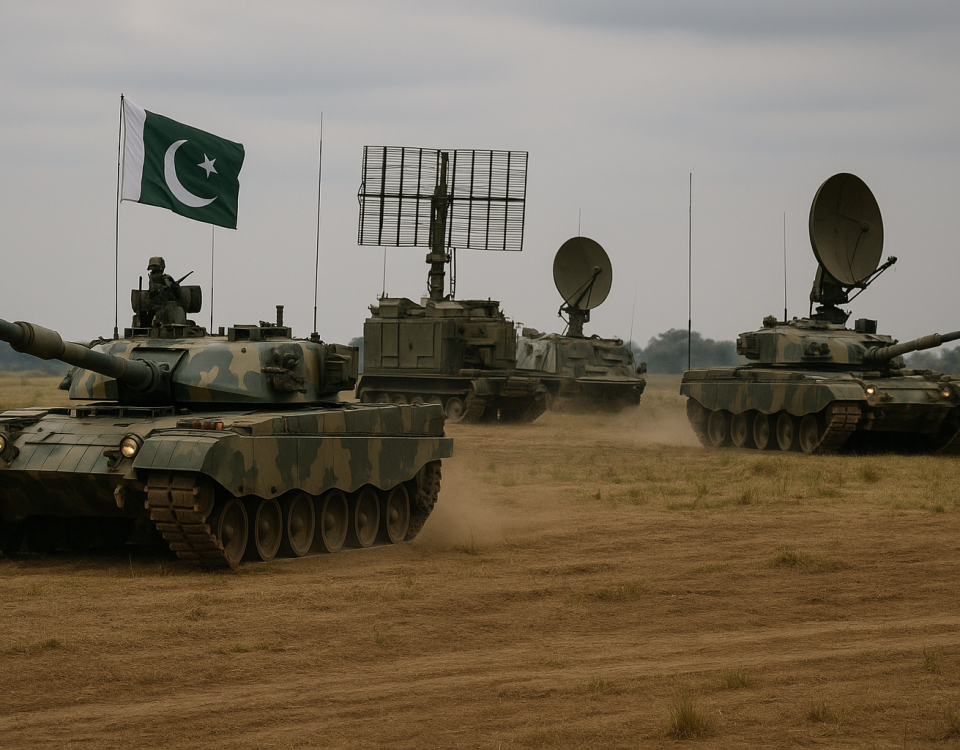
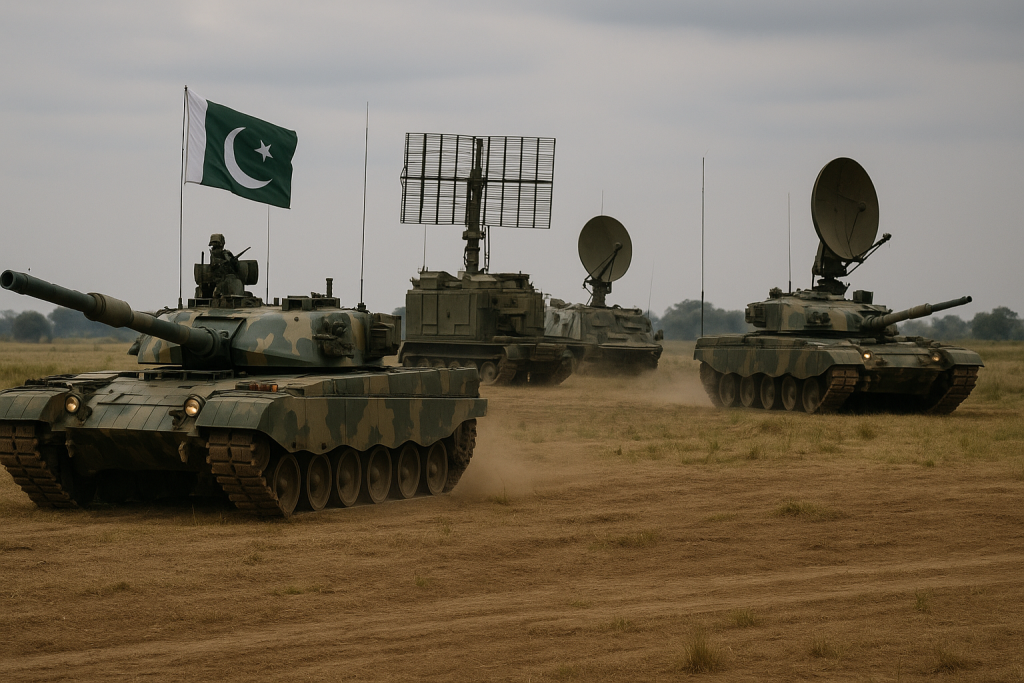
Among the additional deployments were nearly 330 infantry combat vehicles (BMPs), radar systems, artillery guns, and a range of other equipment. The transport fleet of the IAF, including aircraft like C-130J Super Hercules and C-17 Globemaster, successfully carried a total load of 9,000 tonnes. This highlighted the growing strategic airlift capabilities of the IAF. In addition, the IAF strategically positioned Su-30 MKI and Jaguar jets in the region to maintain continuous surveillance and gather intelligence regarding any enemy build-up. Multiple squadrons of combat aircraft were placed in an “offensive posturing” stance following the Galwan Valley clashes, which marked one of the most significant military conflicts between the two nations in decades.
The IAF’s response also involved deploying various fighter jets such as Rafale and Mig-29 for combat air patrol. Additionally, IAF helicopters were mobilized to transport prefabricated structures, ammunition, and spare military equipment to mountainous bases. Under a special operation, the IAF’s transport fleet quickly ferried troops and weapons within a remarkably short timeframe to facilitate rapid deployment in challenging terrains along the Line of Actual Control (LAC). This event underscored the substantial increase in the IAF’s strategic airlift capability over the years.
Given the escalating tensions, the IAF also deployed a significant number of remotely piloted aircraft (RPAs) in the region to vigilantly monitor Chinese activities. Furthermore, the IAF expedited the enhancement of its air defense capabilities and combat readiness by installing a variety of radars and incorporating surface-to-air guided weapons into frontline bases along the LAC. This strategic approach aimed to fortify the military posture, maintain credible forces, and effectively monitor any adversary’s buildup.
The ongoing confrontation between Indian and Chinese troops persisted in certain friction points within eastern Ladakh, despite disengagement efforts in various areas following extensive diplomatic and military negotiations. Presently, both sides amassed around 50,000 to 60,000 troops each along the LAC in the region. As a fresh round of high-level military talks between the two nations was scheduled for August 14, India advocated for the early disengagement of troops from the remaining friction points, aiming to deescalate tensions.
***