Ladakh Border Dispute: China Reinforces Position, Cites ‘Historical Legacy’ in Resolution Efforts
China Firmly Rejects Indian Proposal to Link Border Dispute with Investment Scrutiny.
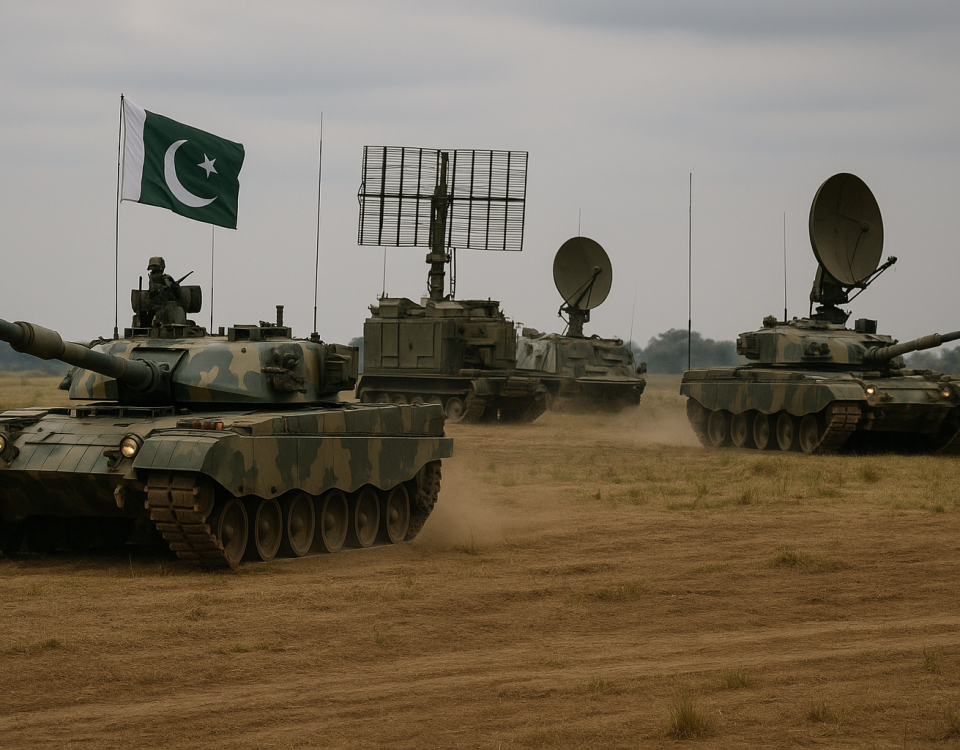
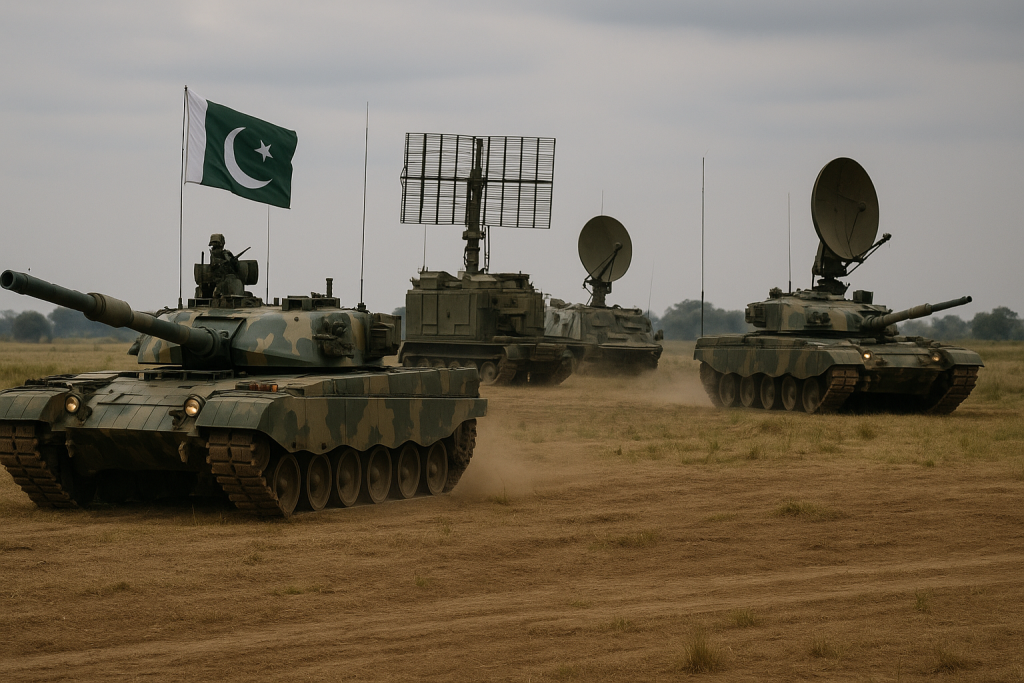
Amidst the ongoing tensions between China and India over the border dispute, China has firmly rebuffed India’s suggestion of easing scrutiny on Chinese investments as a gesture of peace along the border in occupied Tibet. Senior Colonel Wu Qian, speaking at a media briefing in Beijing, dismissed the notion of intertwining the boundary issue with overall bilateral relations, citing it as unwise and incomplete representation of the comprehensive relationship between the two nations, as reported by Reuters on January 25.
The response came in the wake of India’s External Affairs Minister S. Jaishankar’s statement, accusing China of violating bilateral consensus in 2020 by deploying a substantial military presence along the Line of Actual Control, leading to the deadly clash in the Galwan Valley, as reported by the PTI news agency on the same day.
The tensions between India and China have been escalating since May 2020 when the Chinese People’s Liberation Army amassed troops in eastern Ladakh, culminating in a violent confrontation in the Galwan Valley in June 2020, resulting in casualties on both sides.
Colonel Wu reiterated China’s stance that the Galwan Valley falls within Chinese territory along the LAC and blamed India for violating consensus and provoking unilateral actions, thereby holding India responsible for the conflict.
India has persistently urged the PLA to disengage from strategic points in eastern Ladakh, emphasizing that normalizing relations hinges upon resolving the border standoff. In contrast, China has advocated for delinking the border issue from broader bilateral relations, urging India to work towards normalization.
Colonel Wu highlighted the communication and coordination between the two countries over the past three years through military and diplomatic channels, including 20 rounds of Corps Commanders level meetings. Agreement has been reached on disengagement from key points such as the Galwan Valley, Pangong Lake, Hot Springs, and Jianan Daban (Gogra), contributing to de-escalation efforts along the border.
Emphasizing that the border dispute is a legacy issue with India and does not encapsulate the entirety of bilateral relations, Colonel Wu criticized India for linking the border issue with overall relations, which he argued goes against the shared interests of both countries.
China expressed hope for enhanced strategic mutual trust and urged India to collaborate in handling differences to safeguard peace in the border areas. However, unresolved differences persist over troop pullback from areas like Depsang plains and Charding Nullah near Demchok in eastern Ladakh.
Discussions remain deadlocked over disputes at Depsang, particularly regarding troop positions, with India raising objections to deliberate PLA blockades of Indian patrols in specific routes within Depsang.
As tensions persist and negotiations continue, the border dispute remains a significant challenge in China-India relations, reflecting broader geopolitical complexities in the region.
***