


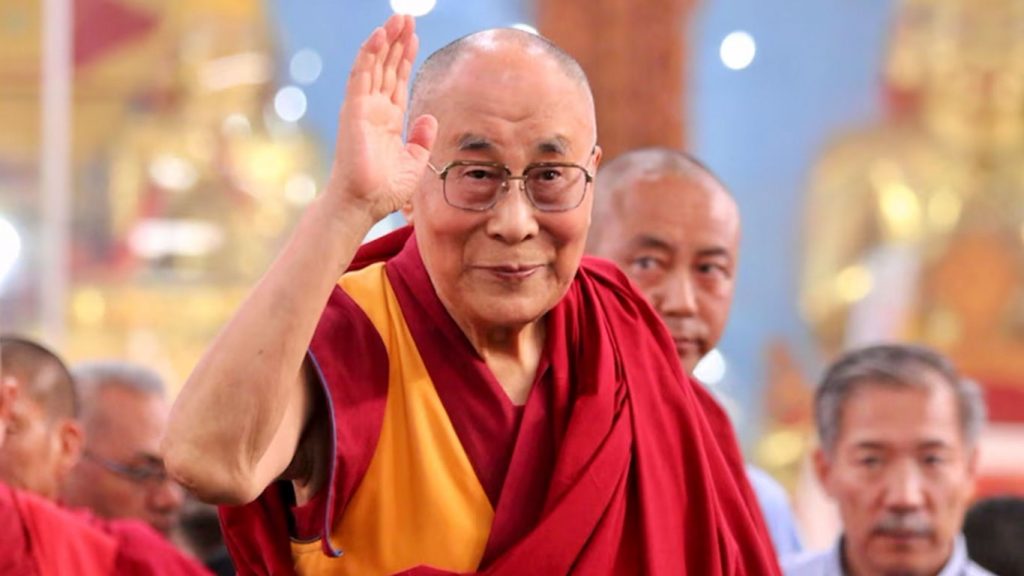
China Escalates Social Media Monitoring in Tibet as Dalai Lama Turns 89
Ahead of the Dalai Lama’s 89th birthday on July 6, China has significantly tightened social media restrictions in Tibet. This move underscores Beijing’s ongoing efforts to suppress any expression of reverence for the exiled Tibetan spiritual leader, despite official claims that Tibetans favor the Chinese state-party over the Dalai Lama.
The Chinese government’s intensified crackdown aims to prevent Tibetans from celebrating the Dalai Lama’s birthday, as reported by the Tibetan service of Radio Free Asia (RFA) on July 2, citing two anonymous Tibetan sources. The Dalai Lama’s recent travel to the United States for knee surgery has further fueled these stringent measures.
For years, the Dalai Lama has been a symbol of defiance against Chinese rule in Tibet. Possession of his photos or any related items can lead to arrest, beatings, torture, and imprisonment. Over the past three weeks, Chinese authorities have rigorously checked the cell phones of Tibetan travelers to ensure they have not downloaded any photos of the Dalai Lama. This scrutiny has been especially intense, with police summoning individuals deemed suspicious to warn them against contacting family members outside the Tibet Autonomous Region (TAR).
The crackdown extends to preventing Tibetans from discussing the Dalai Lama’s birthday online. Authorities have banned the possession and sharing of his images and religious symbols on social media. In the run-up to July 6, these restrictions are enforced with increased severity, reflecting the significant importance of this day to Tibetans.
This year, the measures are even more stringent due to the Dalai Lama’s knee surgery in the United States. Authorities suspect that many Tibetans may have downloaded his photo to pray for his recovery, heightening their vigilance. Reports indicate that Chinese officials have denied visa requests to Tibetans planning to travel to the U.S., questioning them about their intentions to see the Dalai Lama.
In Golog (Guoluo) Prefecture of Qinghai province, part of the historical Tibetan province of Amdo, Chinese officials and monastery heads have ramped up propaganda efforts. They have urged Tibetans to exercise caution and self-control on social media, reinforcing the message that any expression of support for the Dalai Lama is unacceptable.
Despite these oppressive measures, Tibetans have found ways to celebrate their spiritual leader’s birthday. They post poems and childhood photos of the Dalai Lama online, make traditional smoke offerings in the mountains, and observe moments of silence. These acts of quiet defiance highlight the enduring reverence for the Dalai Lama among Tibetans, despite the Chinese government’s relentless efforts to suppress it.
The Dalai Lama has long maintained that he seeks genuine autonomy for Tibet, allowing Tibetans to preserve their culture, religion, and language under Chinese rule, rather than full independence. However, China continues to view him as a “splittist” and has sought to sinicize Tibetan-populated areas, tightening control over the region.
The ongoing social media clampdown and broader restrictions reflect China’s determination to stifle any expressions of Tibetan identity and allegiance to the Dalai Lama. As Beijing strengthens its grip on Tibet, the spiritual leader’s birthday remains a focal point of resistance, symbolizing the enduring struggle for Tibetan cultural and religious freedom.
***


