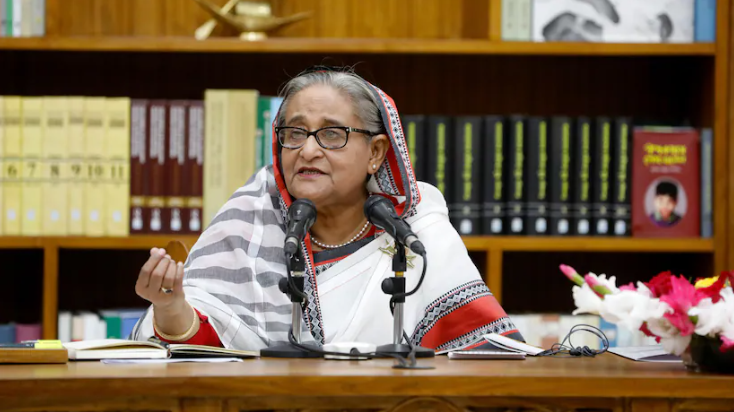
India Extends Safe Haven to Ousted Bangladeshi Leader Sheikh Hasina Amid Rising Tensions in Dhaka
Former Bangladeshi Prime Minister Sheikh Hasina, ousted amid mass protests earlier this year, currently resides in India, where she has found temporary refuge after fleeing her country. The 77-year-old leader faces an arrest warrant issued by Bangladesh’s International Crimes Tribunal (ICT) for alleged human rights violations. Her stay in India underscores New Delhi’s commitment to regional stability, balancing support for an ally and respect for Bangladeshi sovereignty.
Background on Hasina’s Departure and Refuge in India
After more than 20 years in power, Hasina faced an unprecedented wave of protests triggered by student-led demands to end job quotas. These protests quickly escalated, sparking widespread discontent and resulting in clashes that reportedly led to more than 1,000 fatalities. Amid the turmoil, Hasina fled to India on August 5, shortly after stepping down from office.
Recognizing the political and humanitarian complexity of the situation, the Indian government discreetly accommodated Hasina in New Delhi’s Lutyens’ Bungalow Zone, a high-security area typically reserved for dignitaries. With around-the-clock security, her stay underscores India’s emphasis on maintaining regional peace and providing dignified support to a leader with longstanding ties to India.
India’s Diplomatic Stance and Regional Stability
Hasina’s presence in India has been handled with strategic diplomacy, underscoring New Delhi’s careful balancing act in South Asia. India, sharing a close cultural and historical bond with Bangladesh, has provided temporary sanctuary to Hasina while respecting Dhaka’s jurisdiction over any legal proceedings. India’s External Affairs Minister, S. Jaishankar, confirmed that Hasina sought refuge in India and emphasized that India’s stance is one of humanitarian support for a former ally.
As a leader who has consistently supported India in bilateral and regional security matters, Hasina’s stay in New Delhi represents not only a personal refuge but a testament to India’s commitment to providing stability in the neighborhood. Her presence allows India to maintain constructive engagement with Bangladesh while ensuring that diplomatic channels remain open with the new government in Dhaka.
Bangladesh’s Internal Political Shift and Legal Context
The ICT, reconstituted by Bangladesh’s interim government, recently issued an arrest warrant for Hasina and 45 other officials connected to her administration. Allegations against her include “crimes against humanity” and misconduct during the July-August protests. The tribunal, which Hasina herself established in 2010 to investigate historical war crimes, has recently faced criticism for procedural shortcomings and potential political motivations. Experts suggest that Bangladesh’s interim government, which is pursuing these cases, may lack international legal experience, further complicating the proceedings.
For India, the extradition of Hasina is a sensitive matter. While India and Bangladesh share a bilateral extradition treaty, it includes a clause allowing refusal for offenses deemed “political in character.” Given the volatile nature of the protests and the complexities surrounding the charges, India may consider these allegations to fall within that clause, allowing New Delhi to retain Hasina safely.
Implications for India-Bangladesh Relations
While some in Bangladesh are calling for Hasina’s extradition, India’s support for her is based on shared principles of humanitarian refuge and the historical bonds between the two nations. Throughout her tenure, Hasina maintained a close relationship with India, fostering collaborations on security, trade, and counter-terrorism. New Delhi’s decision to shelter her aligns with its broader approach to South Asian stability, ensuring that its neighbors remain peaceful and cooperative partners.
India’s balanced stance aims to prevent escalating tensions with Dhaka while ensuring that Hasina’s basic rights are respected. Indian policymakers recognize that her presence in New Delhi should not strain ties with Bangladesh but rather encourage continued dialogue and respect between the two governments.
Looking Ahead: Regional Influence and Diplomatic Balance
Hasina’s son, Sajeeb Wazed, has stated that she is prepared to face trial, asserting her innocence. India remains committed to upholding diplomatic norms, allowing Bangladesh’s legal processes to unfold independently while safeguarding the dignity and well-being of Hasina.
For India, the situation underscores a responsible approach to regional diplomacy. By providing Hasina refuge, India highlights its role as a stabilizing force in South Asia, ensuring the security of leaders who have fostered positive bilateral relations and promoting peace through diplomacy and dialogue.
As the region watches closely, India’s actions reflect a careful and strategic approach, reinforcing its commitment to humanitarian values while supporting regional allies and encouraging balanced, long-term relations with Bangladesh.
***