Gelephu Mindfulness City: Bhutan’s Vision for Sustainable Urban Development and Brand Enhancement
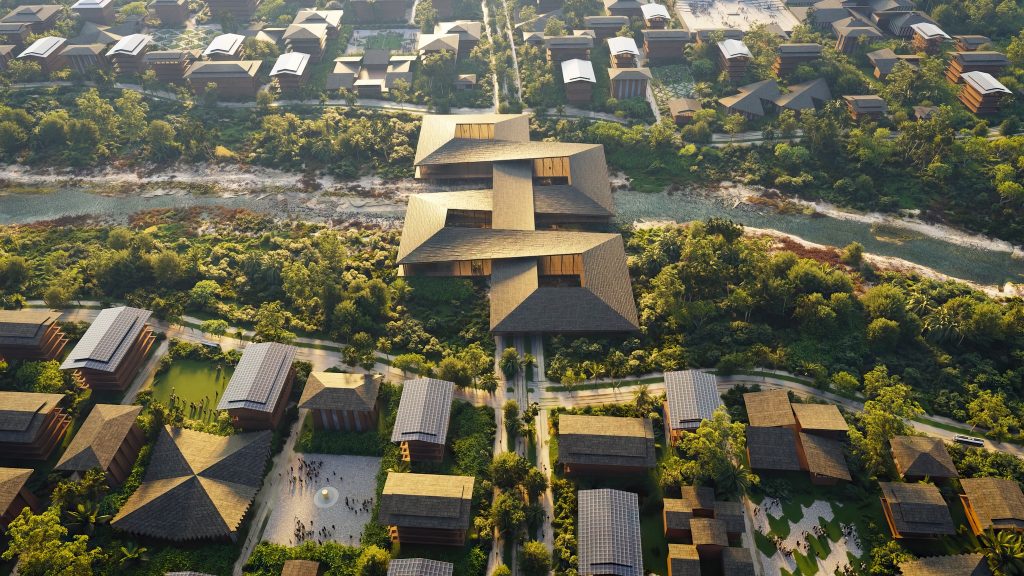
Gelephu, Bhutan, is on the verge of transformation into one of the world’s most sustainable urban centers with the introduction of Gelephu Mindfulness City, designed by the acclaimed architect Bjarke Ingels, founder of Bjarke Ingels Group (BIG). This city is envisioned to use carbon-negative materials like bamboo, river rocks, and biochar, all sourced locally to honor Bhutan’s rich cultural heritage and natural landscape.
During an exclusive interview in Paro, Ingels emphasized the project’s commitment to sustainability, stating, “We aim to utilize materials that are not only carbon-negative but also in harmony with the natural environment.” The city will integrate ecological corridors that allow wildlife, such as elephants and tigers, to thrive while promoting local craftsmanship through wood and stone carvings in its architecture. The design is inspired by the unique Bhutanese topography, featuring cascading neighborhoods and connecting bridges that serve as cultural hubs.
Additionally, Gelephu Mindfulness City will operate on renewable energy sources, leveraging solar and hydropower, while also incorporating bio-swales for rainwater management. This innovative design not only prioritizes environmental impact but also aims to celebrate Bhutan’s traditional values and artistry.
As Bhutan positions itself to amplify its global identity, the concept of “Brand Bhutan” is gaining momentum. Recognized for its Gross National Happiness (GNH) framework, environmental conservation, and cultural richness, Bhutan is looking to enhance its global presence through strategic investments in media and the entertainment industry. The Bhutan Innovation Forum advocates for showcasing how a small nation can balance economic growth with environmental stewardship, attracting eco-tourists and ethical investors.
Carissa Nimah, chief marketing officer of the Department of Tourism, highlighted that Gelephu Mindfulness City is pivotal for distributing tourism beyond the crowded hotspots of Paro and Thimphu. “This initiative aims to not only improve the country’s economy but also ensure an even distribution of tourists,” she noted, emphasizing the importance of maintaining Bhutan’s high-value, low-volume tourism policy to protect its cultural and environmental integrity.
Moreover, the potential for Bhutan as a filming destination was underscored by Heidi Kindberg, Vice President of Sustainability at Warner Bros. Discovery, who recognized the importance of providing locals with relevant skills to support this burgeoning industry. This focus not only promotes Bhutanese culture but also fosters job creation.
Gelephu Mindfulness City represents a forward-thinking approach to urban development, reflecting Bhutan’s commitment to sustainability and cultural preservation. By integrating innovative design with traditional values, Bhutan is poised to create a unique global brand that attracts attention while remaining true to its roots. This project is not just about building a city; it’s about building a sustainable future for Bhutan.
***