Xi-Modi “Ice-Breaking” Meeting in Kazan Sparks Hope for Normalizing India-China Relations
The meeting between Chinese President Xi Jinping and Indian Prime Minister Narendra Modi on the sidelines of the BRICS summit in Kazan last month has been described by Chinese officials as “ice-breaking,” with both nations now exploring measures to restore bilateral ties to their pre-2020 state.
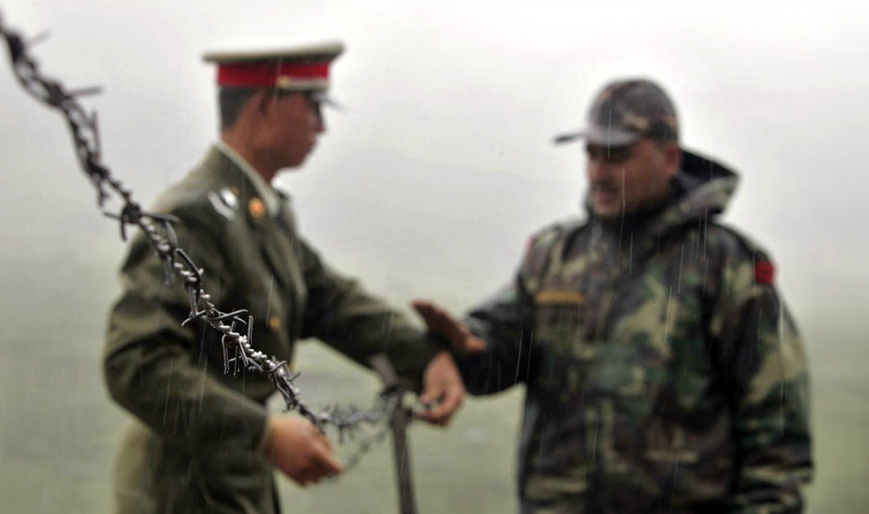
This was the first face-to-face interaction between the leaders in five years, following the COVID-19 pandemic and the military standoff along the Line of Actual Control (LAC) that began in April-May 2020. According to The Indian Express, Chinese officials have expressed optimism about a range of initiatives aimed at reviving the relationship.
Beijing’s “Wish-List” for Normalization
Chinese officials have outlined a series of proposals they expect to materialize soon:
- Resumption of Direct Flights: Reconnecting the two nations via direct air routes.
- Easing Visa Restrictions: Allowing Chinese diplomats, scholars, and citizens easier access to India.
- Lifting the Mobile App Ban: Revoking bans on Chinese apps in India.
- Facilitating Media Access: Permitting Chinese journalists to report from India.
- Expanding Cultural Exchange: Increasing the number of Indian films shown in Chinese theatres.
These measures, Beijing believes, could act as confidence-building steps to mend ties strained by the LAC standoff and other geopolitical tensions.
Personal Rapport Between Xi and Modi
Chinese officials emphasized the personal chemistry between the two leaders during their Kazan meeting. Both reportedly set aside prepared “talking points” and spoke candidly, signaling a genuine effort to bridge the gap.
“President Xi and Prime Minister Modi share a personal friendship, which was evident in their heartfelt discussions. This meeting took the relationship to a strategic height,” a Chinese official was quoted as saying.
The leaders reportedly tasked their Special Representatives, Foreign Ministers, and Deputy Foreign Ministers with expediting discussions on the next steps.
Strategic and Border Issues
Acknowledging the need to resolve the border issue at a faster pace, Chinese officials stressed that it should not dominate the overall bilateral relationship.
“The border issue has seen progress, with disengagement at several points along the LAC. While 20 rounds of talks have occurred between commanders and diplomats, the leaders’ positive directions during the Kazan meeting provide a fresh impetus,” the official stated.
The meeting follows the Oct 21 announcement of a breakthrough agreement on patrolling protocols along the LAC, which marked the beginning of a phased process: disengagement, de-escalation, and de-induction of troops.
Shared Global Challenges
Chinese officials also suggested that the changing global geopolitical landscape, particularly the possibility of former US President Donald Trump returning to power, presents a unique opportunity for India and China to collaborate.
“Both India and China face common challenges and should work together to find solutions. Cooperation between the two nations can provide stability in a turbulent global environment,” said a Chinese representative.
Path Forward
The Kazan meeting and subsequent developments, including the resumption of patrolling along the LAC, signal a cautious but hopeful move toward normalization. The next steps, including further de-escalation and strengthening cultural and economic ties, will depend on continued diplomatic efforts and mutual trust.
Both nations appear committed to moving beyond their recent discord, with their leaders’ personal rapport serving as a foundation for rebuilding relations. The coming months will determine whether these gestures translate into tangible progress.
***