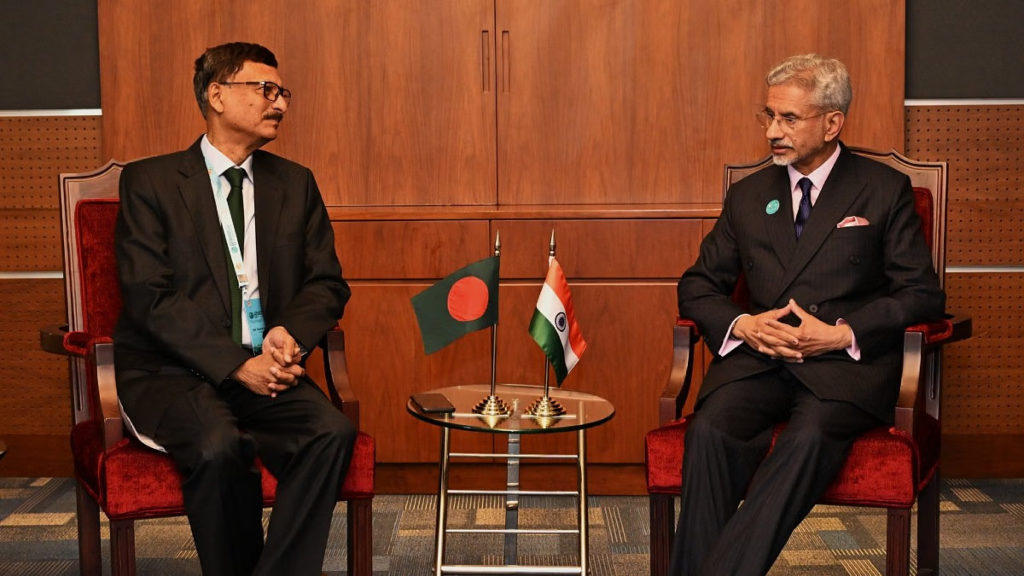
India-Bangladesh Talks in Muscat: Dhaka Pushes for Ganges Water Treaty Renewal Amidst Strained Ties
Muscat, Oman, February 16, 2025 — In a crucial diplomatic meeting, Indian External Affairs Minister S. Jaishankar met Bangladesh’s Foreign Affairs Adviser, Touhid Hossain, on the sidelines of the 8th Indian Ocean Conference in Muscat. As tensions continue between the two countries, Bangladesh raised concerns over the renewal of the Ganges Water Treaty and pushed for the revival of the South Asian Association for Regional Cooperation (SAARC) Standing Committee.
This meeting marked the second time Jaishankar and Hossain met after their previous interaction at the United Nations General Assembly last year. The discussions come amid ongoing complexities in India-Bangladesh relations following the removal of former Bangladeshi Prime Minister Sheikh Hasina in August 2024.
Bangladesh Calls for Ganges Water Treaty Renewal and SAARC Revival
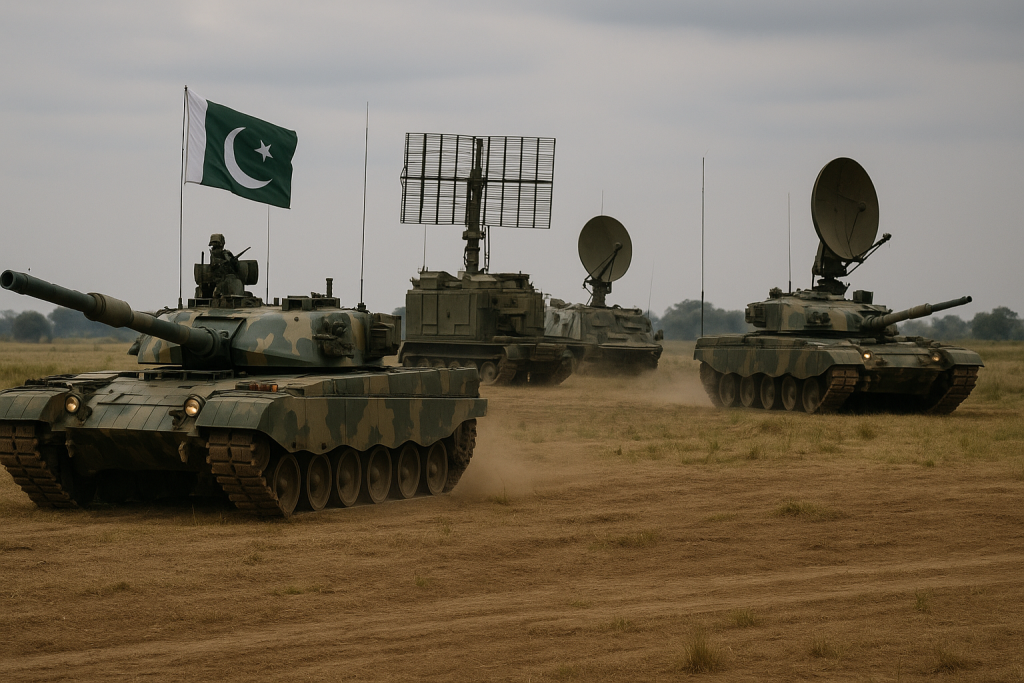
One of the primary issues Bangladesh raised was the renewal of the Ganges Water Treaty, which governs water-sharing between the two countries. Dhaka also urged India to support the reactivation of the SAARC Standing Committee, which has remained dormant since 2016. India had previously blocked SAARC meetings due to Pakistan’s alleged support for cross-border terrorism, particularly after the Uri terror attack.
Bangladesh’s renewed interest in SAARC comes as Dhaka strengthens its diplomatic ties with Pakistan following the recent political transition. However, India prefers to focus on BIMSTEC (Bay of Bengal Initiative for Multi-Sectoral Technical and Economic Cooperation), a regional organization that excludes Pakistan and aligns better with India’s strategic interests.
Border Security and Other Bilateral Issues
Border security remains a major concern in India-Bangladesh relations. The Jaishankar-Hossain meeting took place just ahead of the 55th Border Conference between India’s Border Security Force (BSF) and Bangladesh’s Border Guard (BGB), scheduled from February 17-20 in New Delhi. Both nations expressed hope that the conference would address long-standing border management issues.
While both sides acknowledged the challenges they face, India raised concerns about attacks on minorities in Bangladesh, trade restrictions, and the treatment of Indian businesses in the country. These issues have added further complexity to bilateral relations.
Geopolitical Concerns and India’s Strategic Interests
The meeting in Muscat also took place just days after Indian Prime Minister Narendra Modi discussed the political situation in Bangladesh with U.S. President Donald Trump during a meeting in Washington, D.C. India’s Foreign Secretary Vikram Misri later emphasized that India hopes for stability and constructive engagement with Bangladesh.
Bangladesh’s interim Chief Adviser Muhammad Yunus has requested India to ensure that its territory is not used to create instability in Bangladesh. This follows accusations that speeches by Sheikh Hasina are fueling unrest in the country.
Tensions between the two nations escalated further on February 5, when protesters in Dhaka attacked a portion of Sheikh Mujibur Rahman’s historic residence at Dhanmondi 32. India strongly condemned this attack, given Rahman’s role in Bangladesh’s independence. In response, India’s Ministry of External Affairs summoned Bangladesh’s Acting High Commissioner on February 7, urging Dhaka to avoid linking Hasina’s political status with India’s stance on Bangladesh’s internal affairs.
Bangladesh Set to Chair BIMSTEC, Strengthening Regional Influence
Despite tensions, the upcoming BIMSTEC Summit in Thailand on April 3-4 presents an opportunity for diplomatic engagement. Bangladesh is set to take over as BIMSTEC Chair from Thailand, allowing it to lead regional cooperation initiatives.
BIMSTEC Secretary-General I.M. Pandey recently stated that Bangladesh remains committed to the organization despite its political transition. India continues to support BIMSTEC as a more effective regional platform compared to SAARC, given its broader connectivity initiatives and exclusion of Pakistan.
A Crucial Diplomatic Moment
As India and Bangladesh navigate this delicate phase in their relations, the discussions in Muscat highlight the need for stability and cooperation. While Bangladesh seeks SAARC’s revival and a renewed water-sharing treaty, India remains committed to BIMSTEC and regional security efforts.
With key diplomatic events on the horizon, including a possible Modi-Yunus meeting at the BIMSTEC Summit, both nations have an opportunity to recalibrate their ties. However, the success of these efforts will depend on mutual trust, open dialogue, and a willingness to resolve political and security concerns.
***